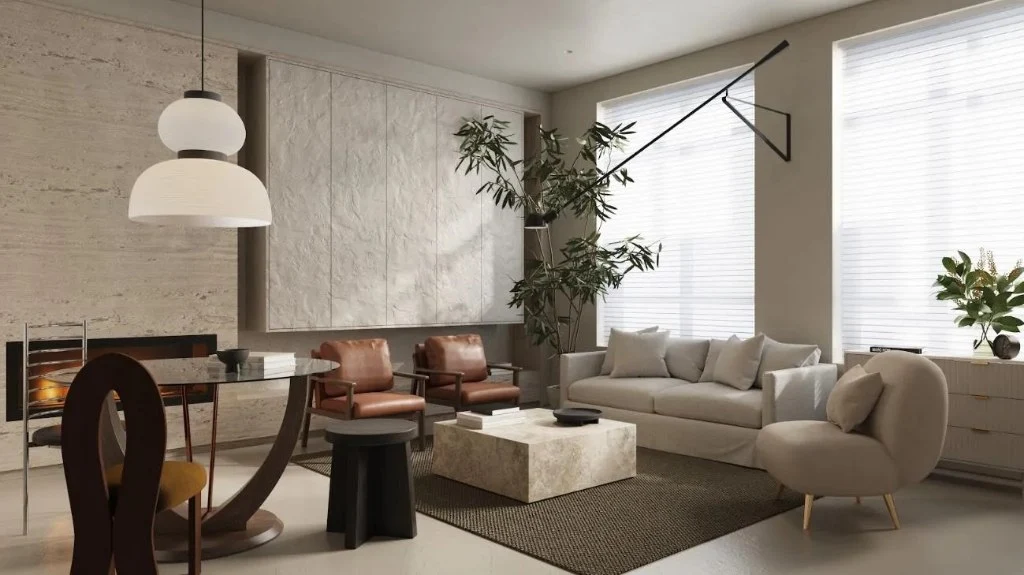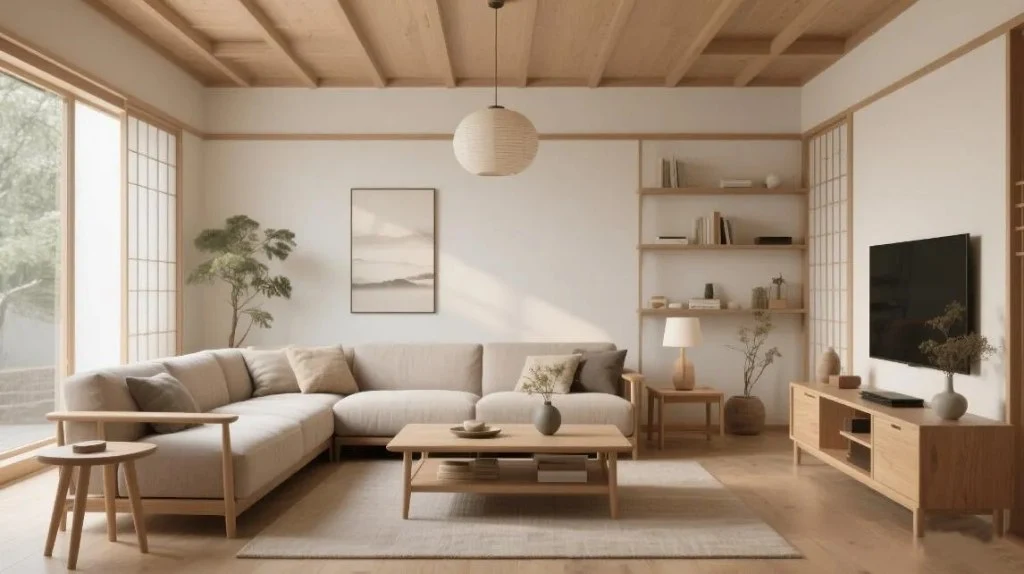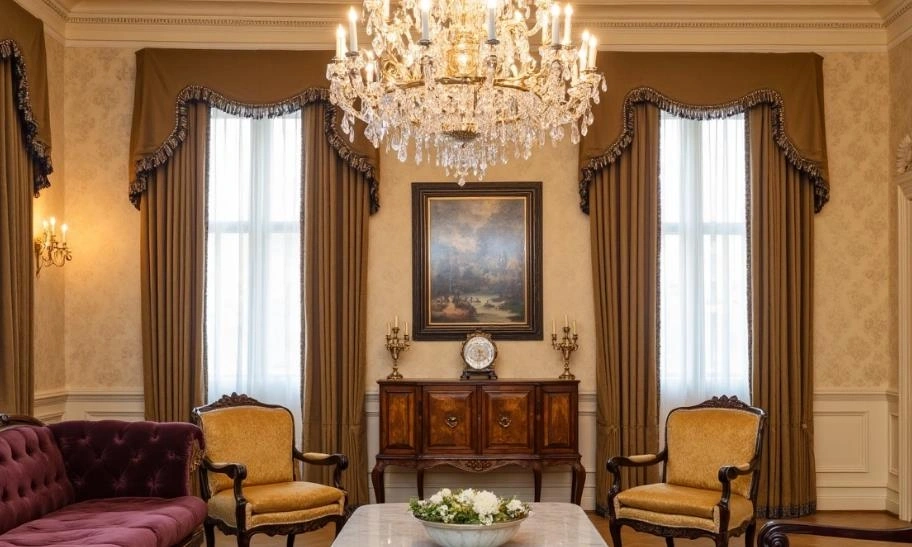






Southeast Asian design style is warm, natural, and full of color. It mixes traditional craftsmanship with tropical style. It also draws on many cultures.
The style focuses on comfort, function, and sustainability. It uses natural materials like bamboo and wood. It adds bold colors and detailed carvings. The result is a home that feels warm and inviting.
Below are 10 popular elements and trends that define this style.

1. Use of Natural Materials
The Southeast Asian design style is deeply rooted in the use of natural materials, which not only reflects the region's connection to nature but also promotes environmental sustainability. Materials such as bamboo, wood, rattan, hemp, straw, and stone are commonly used in furniture, decor, and architectural elements. Bamboo, for example, is a highly renewable resource, and its versatility makes it an ideal material for a variety of furniture pieces like chairs, tables, and storage units. Wood and rattan are also popular, used in everything from rustic furniture to intricate wall decor. These materials contribute to a warm, natural atmosphere that is both eco-friendly and aesthetically pleasing. The combination of handcrafted wooden furniture with bamboo or rattan decorations embodies the harmonious blend of nature and craftsmanship that defines Southeast Asian style.
2. Southeast asian house design
Southeast Asian house design blends traditional elements with tropical climate considerations. Elevated structures with open floor plans allow for natural ventilation, while wide verandas and overhanging roofs provide shade. Wooden materials like teak or bamboo are commonly used, enhancing sustainability. Interiors often feature simple, functional furniture with vibrant textiles and intricate carvings. Traditional designs integrate natural elements, such as gardens and water features, promoting harmony with the surrounding environment. The style emphasizes comfort, cultural heritage, and connection to nature.
3. Southeast asian design
Southeast Asian design is influenced by diverse cultural traditions, climates, and natural landscapes. It often features tropical elements like open spaces, natural materials, and earthy colors. Homes are typically designed to promote airflow, with large windows, high ceilings, and overhanging roofs to keep interiors cool. Wood, bamboo, and stone are commonly used in both architecture and furniture. Intricate carvings, woven textiles, and vibrant patterns reflect the region's rich cultural heritage. Traditional designs integrate indoor and outdoor spaces, creating a seamless connection with nature, while modern interpretations emphasize simplicity and sustainability.
4. Open Layout and Indoor-Outdoor Integration
The tropical climate of Southeast Asia heavily influences the design of living spaces. As a result, the layout of homes often incorporates open plans and large windows to allow natural light to flow freely throughout the space. The integration of indoor and outdoor living is a hallmark of this style, with courtyards, terraces, and balconies acting as extensions of the interior. This seamless transition between indoor and outdoor areas promotes a connection with nature, which is central to the Southeast Asian way of life. The design often incorporates sliding doors, large glass windows, or open archways to create a sense of openness and airiness. This integration also allows for ventilation, helping to maintain coolness in warm climates. Spaces feel more expansive and fluid, with a strong connection to the outdoors.
5. Fabric design of southeast asia
Southeast Asian fabric design is known for its vibrant colors, intricate patterns, and cultural symbolism. Traditional textiles, such as batik, ikat, and silk, are handwoven or dyed using age-old techniques passed down through generations. Batik, especially popular in Indonesia and Malaysia, features wax-resist dyeing methods to create detailed, symbolic motifs. Ikat fabrics, commonly found in Thailand and Indonesia, showcase striking, blurred patterns achieved through tie-dyeing threads before weaving. Richly patterned silks, often used in ceremonial garments, reflect the region's connection to nature, spirituality, and cultural traditions, with motifs like flowers, animals, and geometric shapes.

6. Plants and Greenery
Incorporating greenery into interiors is a key feature of Southeast Asian design. Tropical plants, such as palm trees, banana leaves, ferns, and cacti, are often used to decorate both indoor and outdoor spaces. Not only do these plants bring vitality and color to the room, but they also improve indoor air quality and create a calming, natural ambiance. In Southeast Asia, nature is revered, and having plants indoors creates a harmonious connection with the environment. Large potted plants, hanging planters, or even small indoor gardens are commonly seen in living areas, balconies, and kitchens. Plants are an essential element in creating a relaxed and rejuvenating atmosphere that is core to the Southeast Asian lifestyle.
7. Mixed Style
Southeast Asian design is known for its eclectic and diverse influences, with elements from various cultures blending together harmoniously. The region’s history as a crossroads for trade and cultural exchange means that furniture and decor often combine traditional Southeast Asian styles with Western, Middle Eastern, and even modern elements. For instance, traditional wooden furniture from Indonesia or Thailand may be paired with sleek, contemporary metal pieces. Similarly, ethnic patterns from Southeast Asia might be matched with minimalist or industrial furniture to create a unique, cross-cultural fusion. This mixing of styles allows for a dynamic and personalized interior that reflects the individual tastes and the cultural diversity of the region.
8. Southeast asian style interior design
Southeast Asian style interior design is a fusion of natural materials, vibrant colors, and traditional craftsmanship. The use of wood, bamboo, rattan, and stone creates a warm, earthy feel, while open, airy layouts maximize airflow and natural light. Furnishings are often simple yet functional, with low-profile seating and intricate carvings. Textiles such as batik, ikat, and silk add rich colors and patterns, while decorative elements like lanterns, tribal art, and woven rugs reflect cultural heritage. Indoor and outdoor spaces are seamlessly blended, with lush greenery and water features promoting relaxation and a connection to nature.
9. Traditional Fabrics and Carpets
Traditional Southeast Asian fabrics, such as hand-woven textiles and printed fabrics, are frequently used to decorate spaces. These fabrics may feature intricate patterns and rich colors, contributing to the warmth and cultural depth of the space. Hand-woven carpets, often made from natural fibers such as cotton, jute, or silk, are common in Southeast Asian homes. The textiles not only enhance the aesthetic appeal of the room but also add texture, comfort, and a sense of history. The use of traditional fabrics also reflects the region's craftsmanship and cultural heritage, giving spaces a personal and authentic touch.
10. Simple Furniture Design
Southeast Asian furniture is characterized by its simplicity and functionality. While the design often features decorative elements, the overall focus is on clean lines, practicality, and comfort. Furniture is typically made from natural materials like wood or bamboo, with minimalistic yet elegant designs. The furniture’s simplicity allows for an uncluttered look, and the focus on texture and craftsmanship ensures that each piece stands out. Log bed frames, simple wooden dining tables, and low-profile sofas are typical of Southeast Asian design, offering a balance of form and function while maintaining a natural, organic feel.
Conclusion
Southeast Asian design blends natural materials, bold colors, and traditional craft. It puts comfort and function first. It also celebrates nature and cultural heritage.
You can bring the style home in simple ways, such as:
- Bamboo furniture
- Tropical plants
- Hand-carved wood decor
The result is a space that is stylish, calm, and full of life.
Frequently Asked Questions
1. What are the characteristics of Southeast Asia architecture?
Southeast Asian architecture is built for the tropical climate. Its main features are:
- Open, airy spaces for airflow and cooling
- Raised structures and large windows
- Natural materials like wood, bamboo, and stone
- Steep or overhanging roofs that block rain and heat
- Carvings and bright textiles
- Gardens and courtyards that connect homes with nature
2. What is the Asian interior design style?
Asian interior design blends traditional and modern ideas. It focuses on balance, harmony, and simplicity.
Key features include:
- Natural materials like wood, bamboo, and stone
- Neutral colors with rich accents
- Minimalist furniture
- Detailed patterns
- Cultural items like lanterns, screens, and artwork
- Feng shui principles and indoor plants
The goal is a calm, balanced space that supports well-being.
3. What is the Asian architecture style?
Asian architecture combines traditional and modern ideas. It aims for harmony with nature.
Common features include:
- Detailed woodwork
- Curved roofs
- Open layouts
- Natural materials like bamboo, stone, and wood
Feng shui often guides how spaces are arranged. Gardens, courtyards, and water features bring nature into the building.
4. What are the features of South Asian architecture?
South Asian architecture is known for fine craftsmanship, bright colors, and strong cultural meaning.
Key features include:
- Grand temples, domes, and arches
- Detailed carvings
- Courtyards, water features, and wide verandas for airflow and cooling
- Stone, wood, and marble
- Ornamental details and geometric patterns
The designs reflect spiritual beliefs, with Hindu, Buddhist, and Islamic influences.