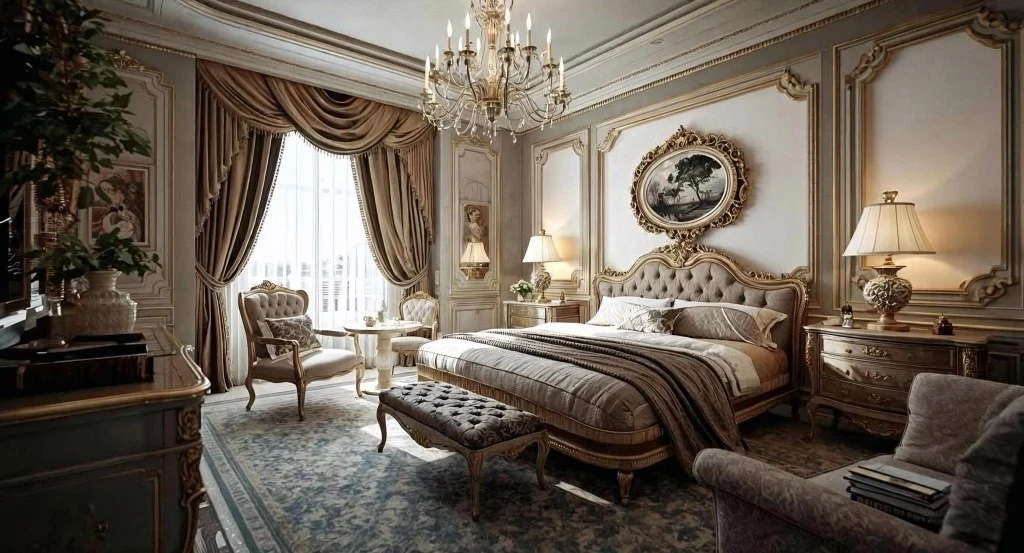
A home is more than a shelter; it is the backdrop to our daily rituals, our deepest conversations, and our quietest moments of rest. When we design with intention, living areas, bedrooms, and dining rooms cease to be mere spaces and instead become settings for a life well lived. Below, we explore how to infuse these zones with warmth, purpose, and personality, weaving in details that feel uniquely yours.
The Living Room: A Hub for Gathering and Relaxation
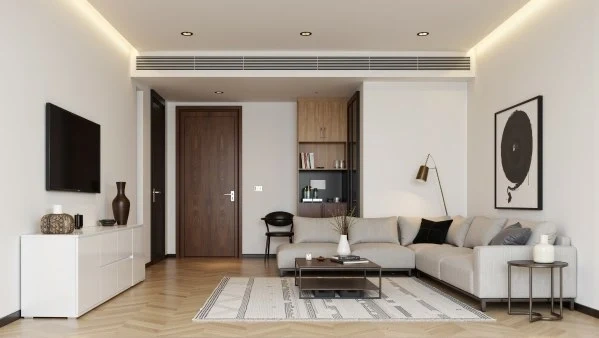
The living room is both the welcoming face of your home and the private retreat where you unwind. Its design must gracefully balance hosting guests with supporting lazy Sunday afternoons. Every element, from the seating arrangement to the smallest decorative accent, contributes to an atmosphere of relaxed hospitality.
Choosing the Right Seating: Sofas and Accent Chairs
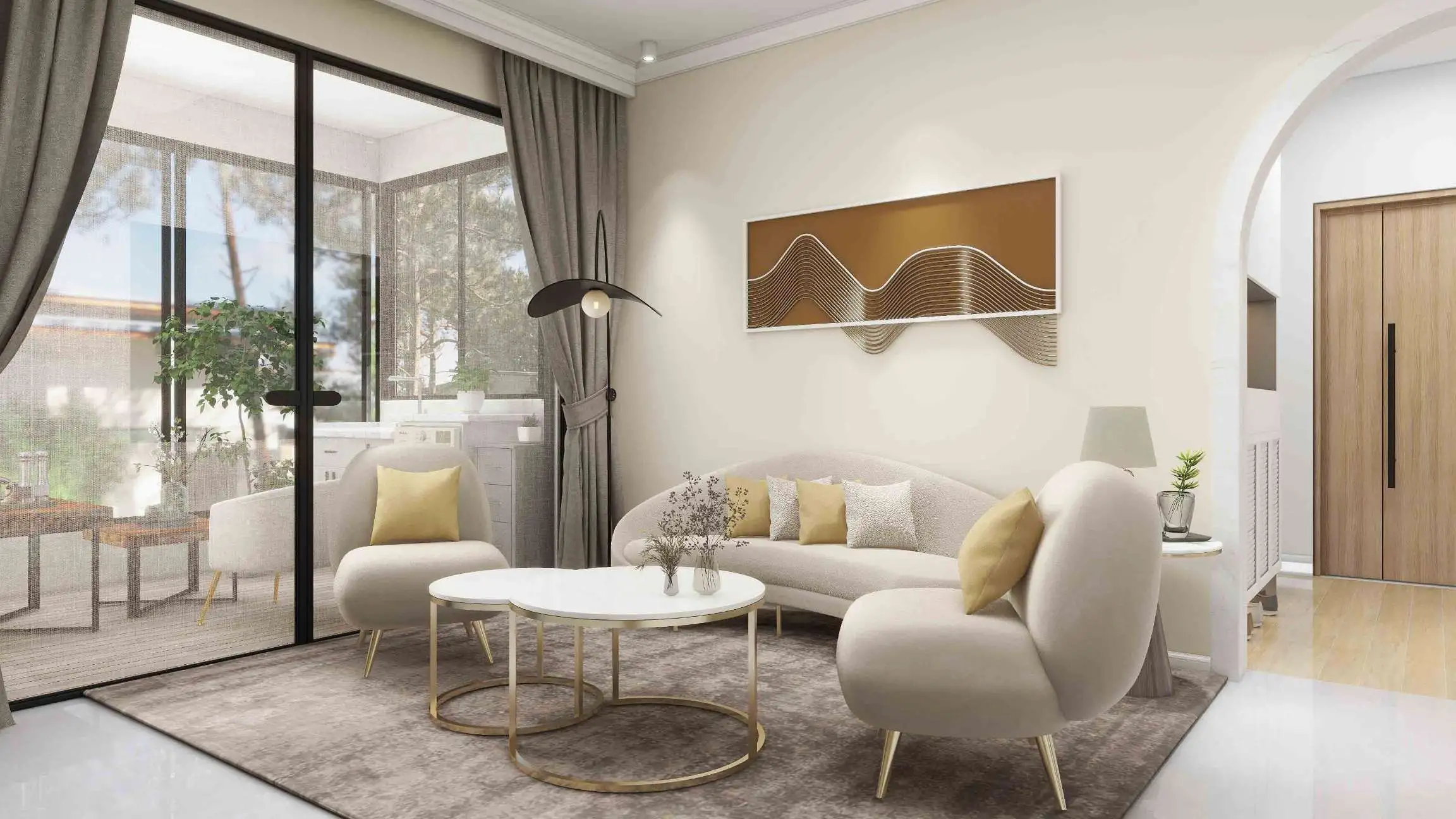
A sofa is the anchor of any living room, and selecting the right one requires more than just measuring the available wall space. Consider depth: a deeper seat invites lounging, while a shallower profile suits more formal settings. Upholstery plays an equally important role. Performance velvet offers tactile luxury that withstands daily wear, linen breathes beautifully in warm climates, and top-grain leather develops a rich patina over time. For ultimate flexibility, a modular sectional can be reconfigured as your needs evolve.
Accent chairs are where you can truly express your style. Instead of a matching set, try pairing two different chairs that share a common color or material thread, such as a sculptural rattan armchair next to a cozy swivel chair in a subtle pattern. Arrange these pieces to face each other across a rug, intentionally creating a conversation zone. Always ensure there is at least 76 centimeters (30 inches) of walkway around the grouping so the room feels open and navigable.

The Central Coffee Table: Function and Style
The coffee table anchors the seating arrangement both visually and practically. Choose a shape that complements your sofa: a long rectangular table aligns beautifully with a linear sofa, while a round or organic-shaped table softens a room filled with straight lines and makes movement around it effortless. The ideal height is within an inch or two of your sofa’s seat cushions, allowing guests to reach for a cup of tea without leaning forward awkwardly.
Beyond looks, think about how you live. A table with a lower shelf displays curated stacks of art books and baskets that hide remote controls. A lift-top design can transform the surface into a comfortable workspace or dinner tray. To keep the tabletop from feeling cluttered, employ a decorative tray to corral smaller items like coasters, candles, and a small vase of fresh greenery.
Layered Lighting for a Warm, Inviting Hue
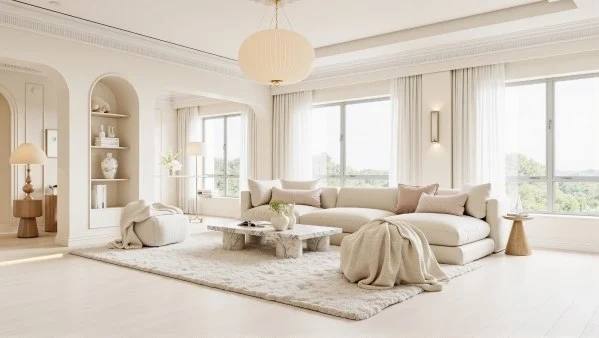
Relying on a single overhead fixture flattens a room and can feel harsh. Instead, build a lighting plan with three layers: ambient, task, and accent. The ambient layer is typically a central pendant or recessed lights on a dimmer, providing the overall glow. Task lighting, such as a focused floor lamp beside a reading chair, makes activities like reading comfortable. Accent lighting, like a picture light over a beloved painting or a small lamp tucked into a bookshelf, draws the eye and adds depth.
For the warmest effect, select bulbs with a color temperature around 2700K, which mimics the golden hue of candlelight. Position floor lamps in dark corners to balance brightness, and let the pools of light overlap so there are no harsh shadows. The result is a room that feels inviting at any hour.
Window Treatments for Light Control and Privacy
Windows connect us to the outside world, but they require thoughtful dressing. Start by assessing your needs: does the room require total darkness for movie nights, or would you prefer diffused natural light throughout the day? Layered treatments offer the most versatility. A sheer curtain softly filters sunlight and provides daytime privacy, while a heavier drapery panel in a textured linen or blackout fabric can be drawn for insulation and seclusion.
To make ceilings feel taller, mount the curtain rod close to the ceiling rather than directly above the window frame, and extend it 20 to 25 centimeters (8 to 10 inches) beyond the window on each side so the curtains stack back without blocking the glass. The fabric should just kiss the floor for a polished, tailored look.
Adding Artful Decor and Personality to Your Space
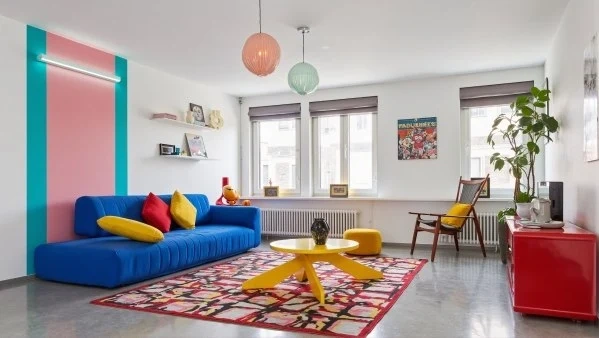
This is the layer that transforms a house into your home. Start with a rug large enough that the front legs of all major seating pieces rest upon it; this unifies the furniture arrangement. Then, introduce textiles: throw pillows in contrasting yet complementary hues, a soft wool blanket draped casually over a chair arm.
Wall art should resonate with you personally. A gallery wall of family photography, vintage prints, or collected sketches tells a story. Add life with plants; a tall fiddle-leaf fig fills an empty corner, while trailing pothos on a shelf softens vertical lines. Finally, embrace the beauty of imperfection. A ceramic bowl you bought while traveling, a stack of well-worn novels, a candle with a scent that reminds you of home. These details offer a genuine, lived-in warmth that no showroom can replicate.
The Bedroom: Your Personal Sanctuary of Calm
A bedroom should feel like a deep exhale. Every choice within this room, from the mattress to the art on the walls, should prioritize rest, restoration, and a profound sense of peace.
The Foundation of Rest: Bed and Bedding
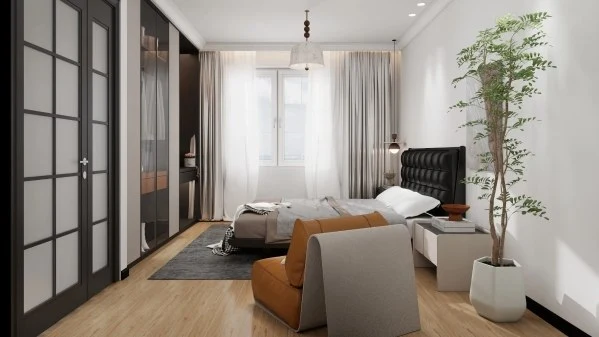
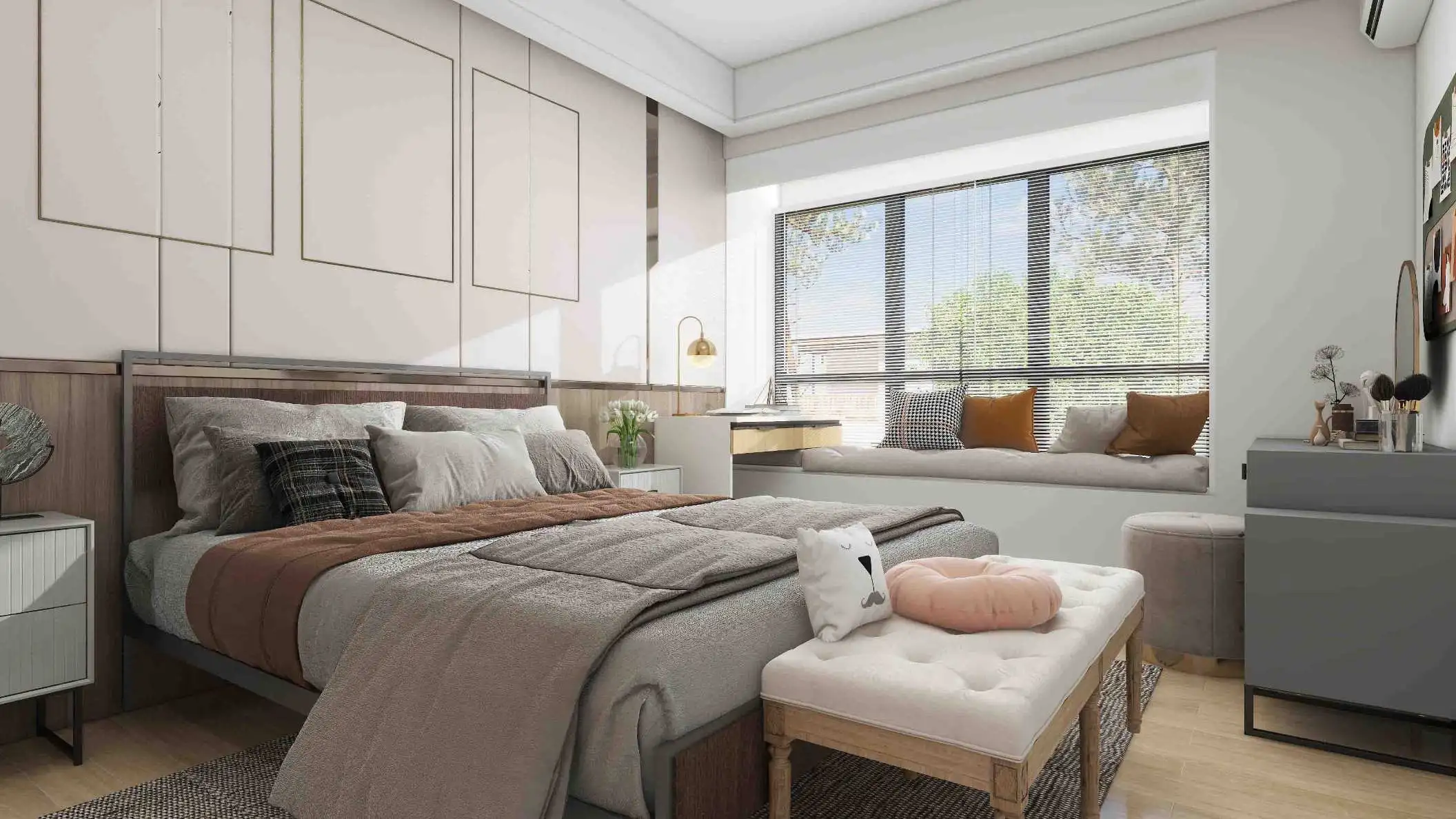
Your bed is an investment in your well-being. When selecting a mattress, consider your sleep position: side sleepers often need a softer surface to relieve pressure on hips and shoulders, while back and stomach sleepers generally benefit from firmer support. Memory foam contours to the body, natural latex offers breathability and resilience, and traditional innerspring provides responsive bounce. Take the time to test different types.
The bed frame should speak to your aesthetic vision. An upholstered headboard in a soft bouclé fabric adds sound absorption and plush texture, a platform bed with under-storage is a boon in compact spaces, and a classic four-poster frame makes a dramatic, romantic statement. Layer your bedding with care: breathable cotton or linen sheets, a lightweight duvet, and a quilt folded at the foot of the bed. Mix in pillows of varying firmness and size, and do not shy away from texture. A chunky knit throw or a silk lumbar pillow adds a distinct sense of luxury. Keep the palette calming; soft blues, sage greens, warm greys, and earthy neutrals naturally soothe the mind.
Closet Design for Organization and Function
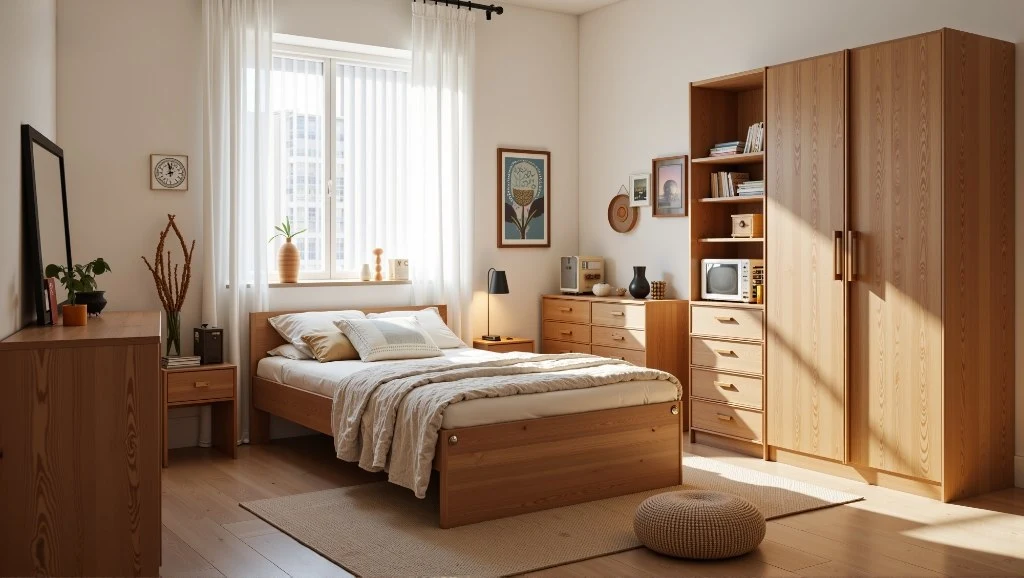
A well-organized closet eliminates morning friction and protects your clothing investment. If you are designing a custom wardrobe, map out your storage by category. Dedicate a double-hang section for shirts and pants, and a single-hang area for longer pieces like dresses and coats. Deep shelves accommodate bulky sweaters, while shallow pull-out trays are perfect for jewelry and ties. Shoe shelves should be angled or pull-out for visibility, and a dedicated drawer for each household member keeps small items from mingling.
Incorporate lighting inside the closet from the start. LED strip lights under shelves and a small overhead fixture make it easy to distinguish navy from black. Use uniform, slim-profile hangers to maximize hanging space, and rotate your wardrobe seasonally, storing off-season pieces in labeled bins on higher shelves. Even in a small reach-in closet, adding a second rod and an over-the-door organizer can double your usable storage.
Serene Decor and Lighting for Relaxation
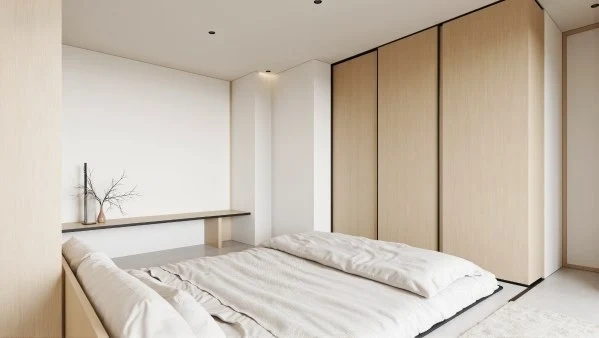
The bedroom’s decoration should be restrained and intentional. Instead of a bold gallery wall, choose one or two large-scale pieces of art that evoke tranquility, such as an abstract seascape or a softly blurred photograph. Bedside tables should be uncluttered, holding only a dimmable lamp, a favorite book, and perhaps a small vase of dried eucalyptus.
Lighting is paramount. Wall-mounted sconces free up nightstand real estate and offer a clean, tailored look. Every light source in the room should be connected to a dimmer, allowing you to shift the mood from functional brightness to a gentle, amber glow as bedtime approaches. Window coverings should be fully opaque if you are sensitive to morning light; layered blackout roller blinds behind softly draping curtains do the job beautifully. Finally, consider scent as an invisible decorating layer. A linen spray with chamomile or lavender signals to your body that the day is done.

Creating a Thoughtful, Restful Bedroom Palette
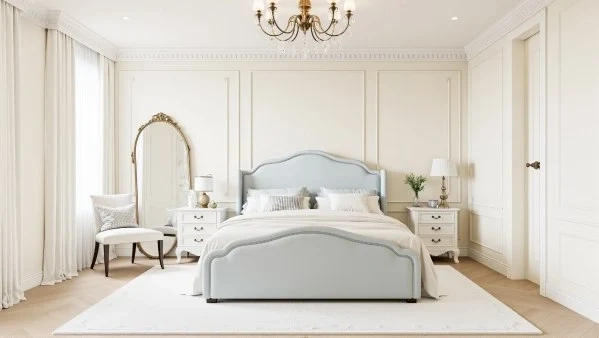
A bedroom’s palette is key to its calming energy. Thoughtful color choices do not just look good; they actively shape how you feel. Soft neutrals, muted greens, and gentle blues create a serene foundation, while subtle pops of warm tone add comfort without overwhelming the senses. Whether you lean into the clean lines of Scandinavian minimalism or the cozy texture of rustic design, your color choices should reflect the peace you want to feel.
The Dining Room: Where Memories are Made
The dining room is a gathering place for celebration, confession, and connection. It is where we mark milestones, share weeknight meals, and linger long after the plates are cleared. Designing this space with care honors the life that unfolds around the table.
Selecting the Perfect Dining Table and Chairs
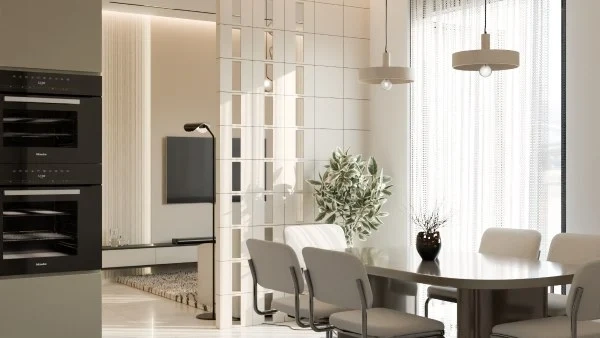
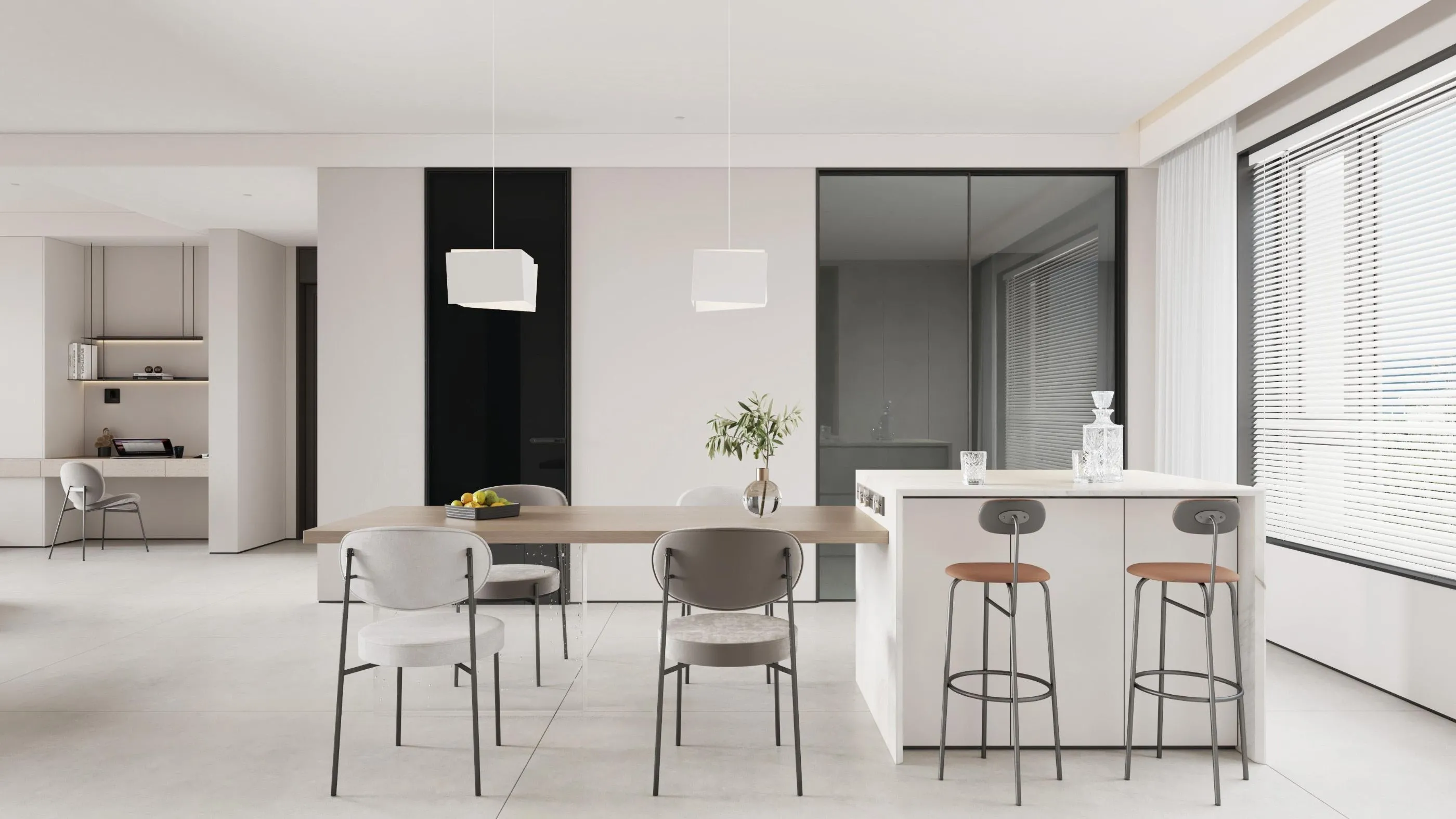
The table must fit both the physical room and the life you envision within it. Measure your space and subtract at least 106 centimeters (42 inches) from each wall to allow diners to push back chairs and walk around comfortably. A rectangular table suits long, narrow rooms and accommodates larger parties, while a round or oval table encourages conversation and works beautifully in square rooms, as it softens the geometry and allows you to squeeze in an extra seat.
Consider materials in light of your lifestyle. Solid wood, like oak or walnut, ages gracefully and can be refinished, making it a long-term companion. Glass tabletops create a sense of airiness in compact spaces and wipe down easily, though they show fingerprints. A stone-topped table is striking but requires daily care against stains.
Chairs should be tested for comfort because a meal can last hours. Seats with a gentle curve and some padding welcome lingering conversations. You can create a collected, curated look by mixing host chairs with arms at the heads of the table and armless side chairs along the length, or even by blending different chair styles that share a wood finish or color.
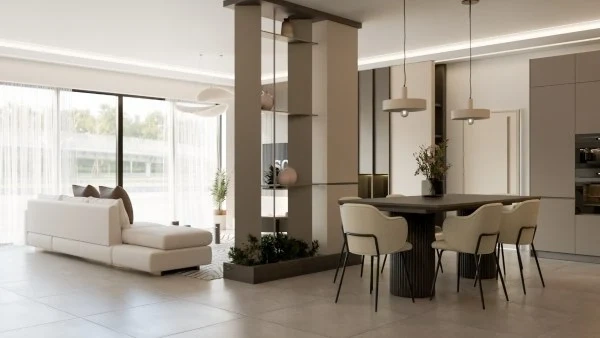
Table Settings and Centerpieces That Elevate the Experience
A beautiful table setting shows care and makes any meal feel special. Start with a foundation: a placemat or a linen tablecloth adds texture and protects the table. Layer chargers under dinner plates for formal occasions, and fold napkins simply beside or on top of the plate. Everyday glassware and cutlery can still be elegant; choose designs with a simple, clean line.
The centerpiece should draw the eye without obstructing sightlines. A low, sprawling arrangement of seasonal flowers and trailing greenery, a cluster of pillar candles of varying heights on a wooden tray, or a sculptural ceramic bowl filled with fresh fruit all make excellent conversation-sparking focal points. For a sense of occasion, replace the centerpiece with the dishes themselves when serving family-style. Colorful platters of food then become the decoration.
Lighting and Storage for an Inviting Dining Space
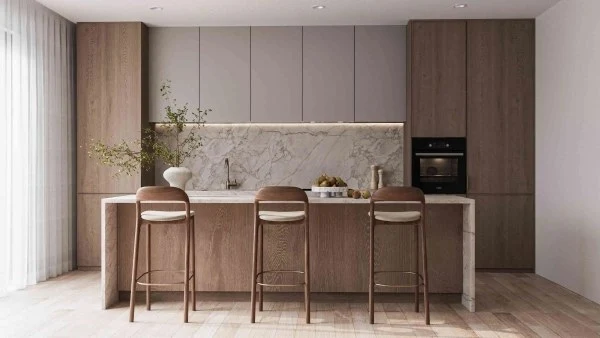
Dining room lighting must be both functional and mood-setting. A chandelier or linear pendant centered over the table provides crucial task light for seeing food clearly. The fixture should hang about 76 to 91 centimeters (30 to 36 inches) above the tabletop and be roughly three-quarters the width of the table for a balanced proportion. Install a dimmer without exception; the ability to lower the light to a candlelit level instantly creates intimacy.
Storage furniture, such as a sideboard, a buffet, or a handsome cabinet, is invaluable in a dining room. It stores your table linens, extra dinnerware, and serving pieces, and its surface offers a stage for displaying treasured objects. A pair of table lamps on a buffet introduces a soft, low-level glow that makes the room feel welcoming even when not in use. Consider lining the back of the cabinet with glass-front doors to showcase your favorite china, and add a large mirror above the sideboard to reflect light and make the space feel more expansive.
Blending Styles: Rustic, Scandinavian and Coastal Inspirations
One of the most charming ways to make your dining room feel personal is to blend different design aesthetics. A rustic wooden table paired with sleek Scandinavian chairs creates a warm yet clean contrast. Coastal-inspired textiles and decor can soften a more formal dining space, bringing the calm of the landscape indoors. Mixing styles adds depth and character, ensuring your dining room feels curated, not cookie-cutter.
Design Inspirations to Elevate Every Room
Whether you are drawn to retro vibes, bohemian charm, or coastal calm, there are endless ways to infuse your space with personality. These popular styles offer fresh ideas for every corner of your home.
Coastal Living: Bringing the Landscape Indoors
Coastal design is not just for beach houses; it is a mindset. Think soft, breezy fabrics, natural textures, and a palette inspired by sand, sea, and sky. Light wood tones, woven baskets, and subtle nautical accents bring the relaxed energy of the shore into any room. The goal is to create a space that feels airy, open, and endlessly calm.
Midcentury and 1970s Vibes: Retro Charm Reimagined
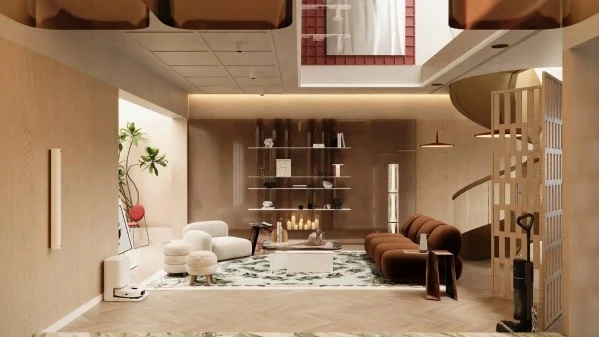
Midcentury modern design, with its clean lines and organic shapes, pairs beautifully with the warm tones and bold textures of the 1970s. Think teak furniture, shag rugs, and statement lighting. This blend of eras feels nostalgic yet fresh, perfect for anyone who loves timeless pieces with a little personality.
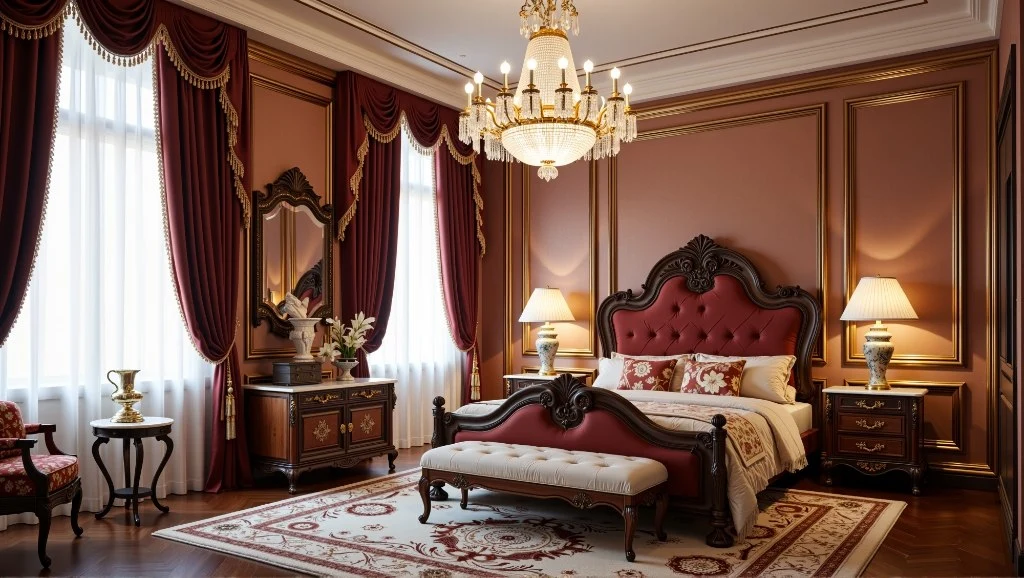
Boho and Shabby Chic: Blending Free-Spirited Styles
Boho design thrives on layering, texture, and personal touches. Shabby chic adds soft, romantic details, such as distressed furniture, pastel hues, and delicate linens. Together, they create a space that feels cozy, lived-in, and full of charm. Mix vintage finds with new pieces, and do not be afraid to let your space tell a story.
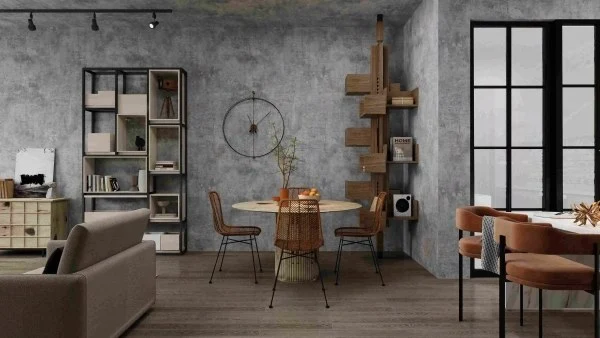
The Power of the Rug: Tying Your Room Together
A rug is more than just a floor covering; it is the foundation of a room. It defines seating areas, adds warmth underfoot, and ties different pieces of furniture together. Whether you choose a bold pattern, a soft neutral, or a textured weave, the right rug can transform the feel of a space, adding color, comfort, and cohesion.
Creating a Cohesive, Chic Interior That Feels Like Home
At the end of the day, the best interior design is about creating a space that feels uniquely you. Blending styles, colors, and textures with intention results in a home that is both chic and lived-in. It is not about following trends; it is about curating a space that works for your life, your tastes, and your story.
Conclusion
A well-designed home does not happen by chance. It is the product of careful choices that honor how you truly live. The conversations you want to have in your living room, the deep sleep you seek in your bedroom, the gatherings that will become cherished memories around your dining table. By layering comfort, lighting, texture, and personal meaning into every room, you do far more than arrange furnishings. You craft a canvas for a life rich in connection and calm.
For further inspiration and expert guidance on every corner of your home, the EClife offers a wealth of high-quality articles waiting to be explored.