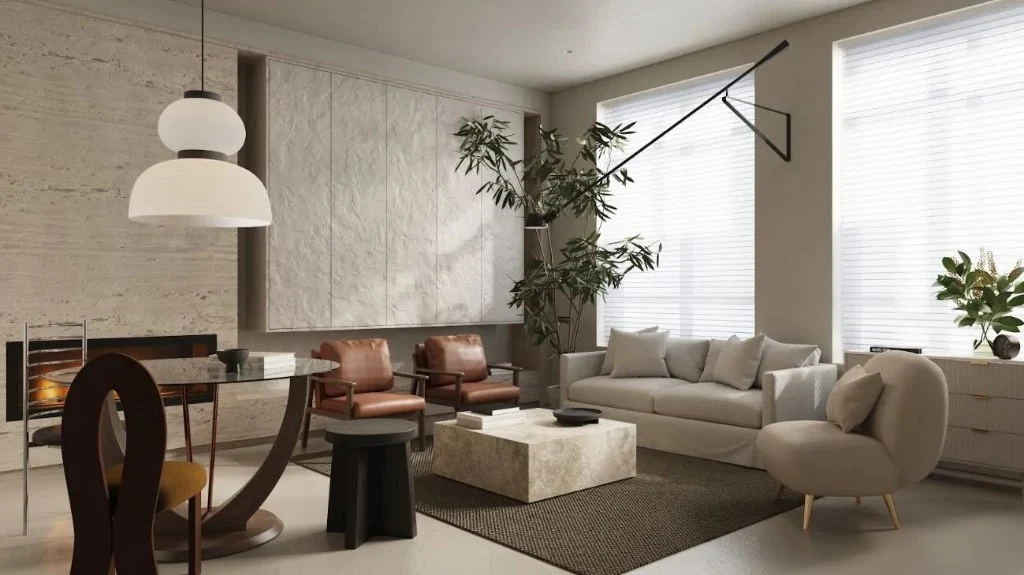
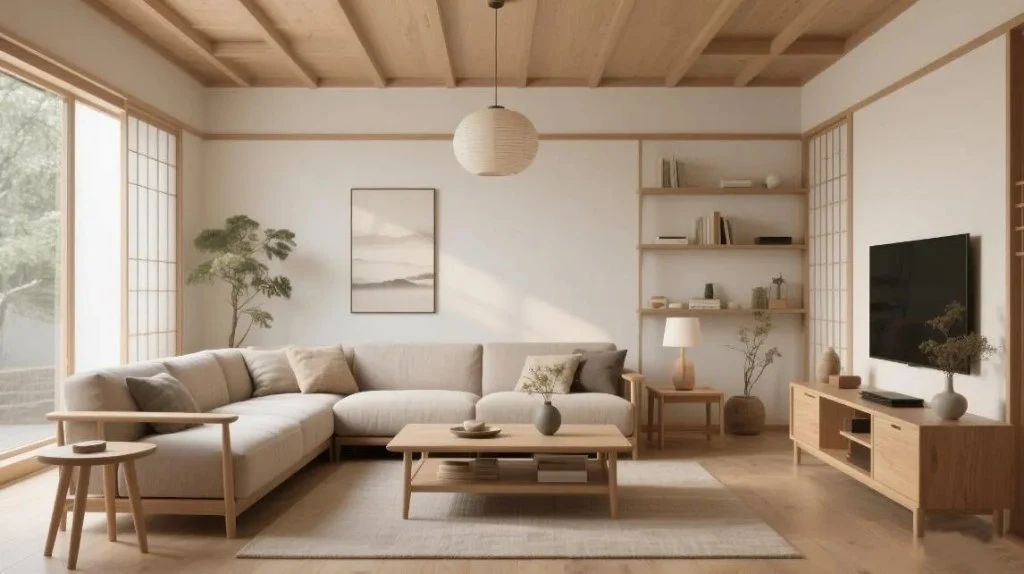
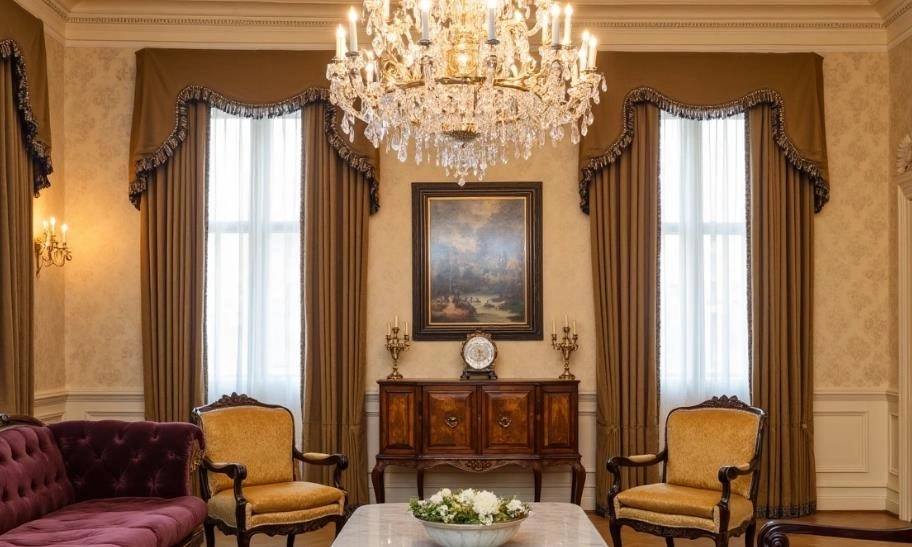
When decorating a new house, the choice of bedroom paint color is related to the main tone of the entire bedroom design. The reasonable matching of materials and colors is also a headache for many people. Whether it is latex paint, matte paint, satin paint or art paint, in fact, as long as you choose the color of the paint itself, the entire bedroom design will be very harmonious and warm.
When choosing a bedroom paint color, you should not only consider how it will fit into the overall design, but also whether you like the color, which are key factors in providing a good living experience.
Classic and Popular Paint Colors for Bedrooms
Generally, for bedroom wall paint, it is advisable to prioritize low-saturation colors paired with materials that have a soft texture. On one hand, this allows the walls to blend seamlessly into the overall bedroom design; on the other, light colors create a sense of warmth and tranquility.
Below are some common or designer-recommended paint colors for bedrooms:
1、Warm Off-White

Soft ivory bedroom paint helps create a gentle overall atmosphere. Its even, soft reflection promotes a sense of calmness, aiding in sleep. The overall bedroom layers can be created through dark furniture and decorative items.
2、Light blue

Using light-colored paint in cool tones creates a visually neat and clean look for the bedroom. Compared to warm tones, a light blue palette can make the space feel brighter and pairs well with elements such as white wooden furniture.
3、Cool-toned dark gray

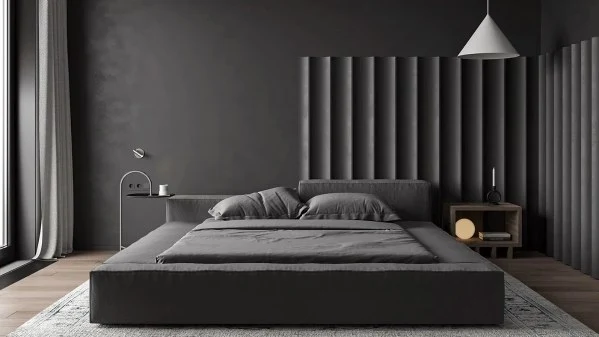
Painting a bedroom in a low-saturation, dark gray hue sets a serene and profound tone for the space; when paired with walnut wood, black metal, and leather furniture, it creates a bedroom with a distinctive industrial style. However, it is worth noting that this color tends to result in subdued natural lighting.
4、Soft Dusty Pink Paint

A soft, creamy nude-pink paint offers a warm, gentle tone that is easy on the eyes; it pairs beautifully with white or light natural wood furniture to create a cozy bedroom atmosphere. It is an excellent choice for the wall behind the bed, especially in bedrooms with limited natural light.
5、Dusty Blue Gray Paint

Compared to deep charcoal gray, a cool-toned gray paint of medium lightness offers a more airy feel, while contrasting with light off-white to more easily create a serene atmosphere; it is a popular choice for neutral-style bedrooms and pairs well with furnishings such as black metal pieces.
6、Soft Khaki Paint

A low-saturation, warm-toned beige paint is an excellent choice for the bedroom; it works beautifully in well-lit spaces and is highly versatile, complementing styles ranging from modern minimalist and "cream-style" interiors to natural wood and "light mid-century modern" aesthetics. It pairs well with furnishings such as white oak pieces.
How to Choose Bedroom Paint Colors?
In terms of spatial considerations, for smaller bedrooms, it is best to choose soft, low-saturation light tones—such as warm white, light beige, or light gray. These colors visually expand the space and alleviate the sense of confinement often associated with small rooms; conversely, one should avoid using dark paint over large areas, as this tends to make a small bedroom feel oppressive. For larger bedrooms, one might experiment with rich, dark shades—such as forest green, navy blue, or charcoal gray—to enhance the room's textural quality and create diverse styles when paired with the furniture.
Regarding natural light, bedrooms with poor lighting should prioritize light-colored paint, as these shades reflect light more effectively than dark ones. It is advisable to avoid colors that make the room feel gloomier, such as dark blue, black, or cool-toned gray.
When considering décor styles, popular choices for bedroom paint colors—such as creamy white, beige, and light coffee—align well with modern minimalist and "cream-style" aesthetics. For Nordic or Wabi-sabi styles, one might opt for deeper tones to set the mood, such as beige, micro-cement gray, or earthy hues. If aiming for a "light luxury" French style, soft, misty nude-pink shades are an excellent choice.
Next, we present ten of the best bedroom paint color schemes, suitable for styles ranging from "Cream" and modern minimalist to Nordic, Wabi-sabi, and French-inspired understated luxury. You can choose the one that best complements your overall design style and personal preferences.
01 Ivory White
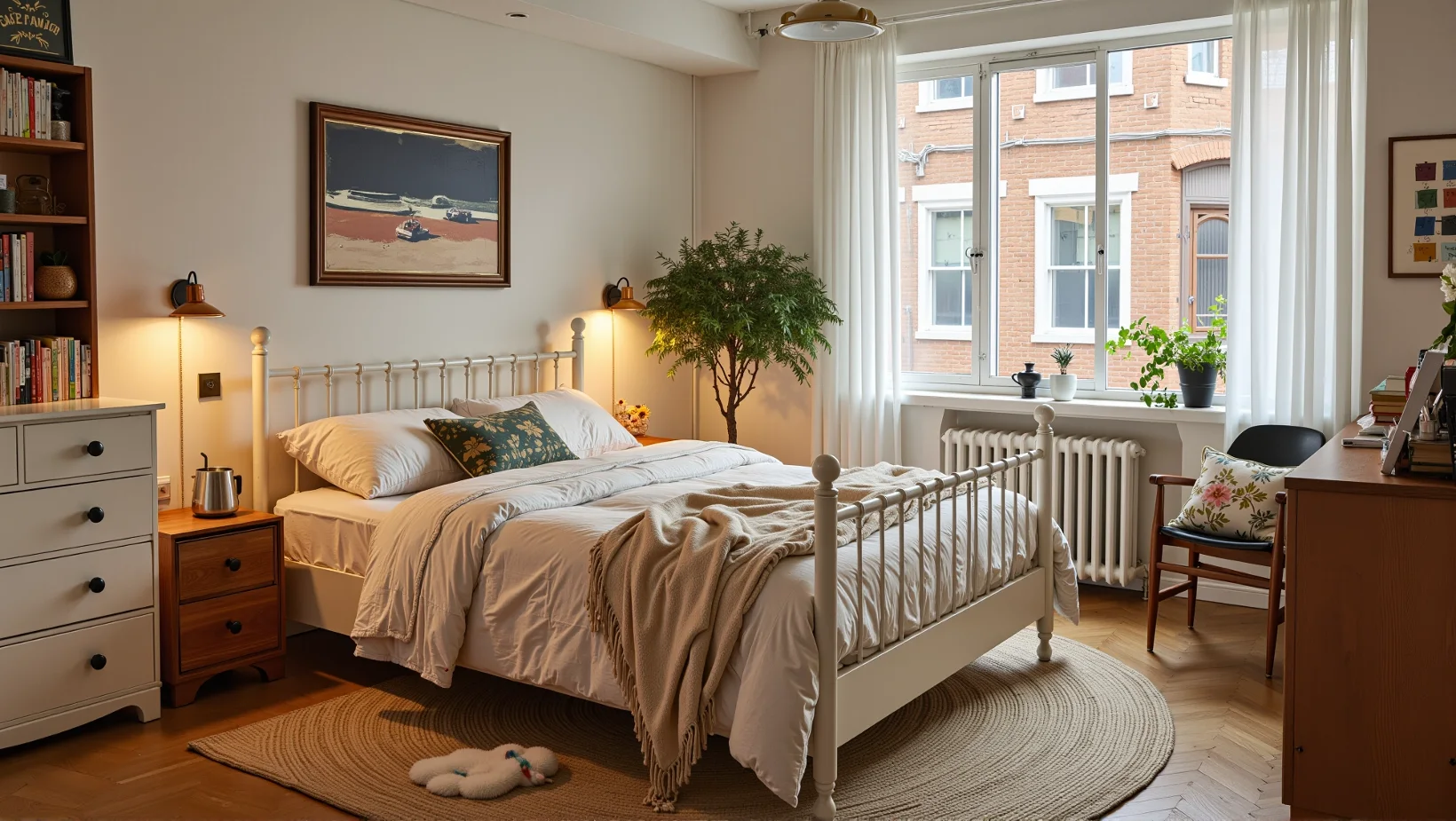
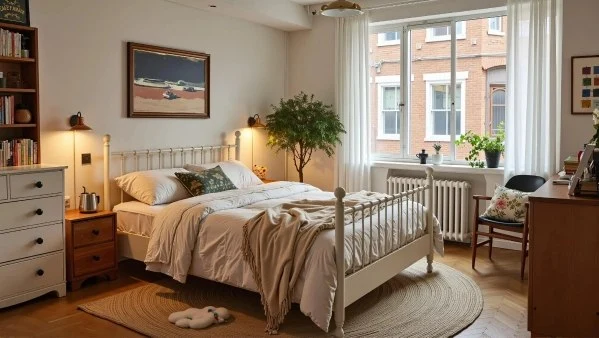
Compared to traditional cool whites, a warm, creamy white paint scheme creates a softer, cleaner look for the bedroom. This design pairs a white wrought-iron bed with wooden nightstands and a desk to establish an inviting atmosphere, while decorative wall art adds a distinctive touch, resulting in an overall aesthetic that is minimalist yet relaxed.
The recommended approach involves painting all walls a uniform ivory white, with the ceiling finished in either the same shade or pure white; this classic color palette avoids visual fatigue and offers great versatility for future styling updates.

02 Dusty Blue
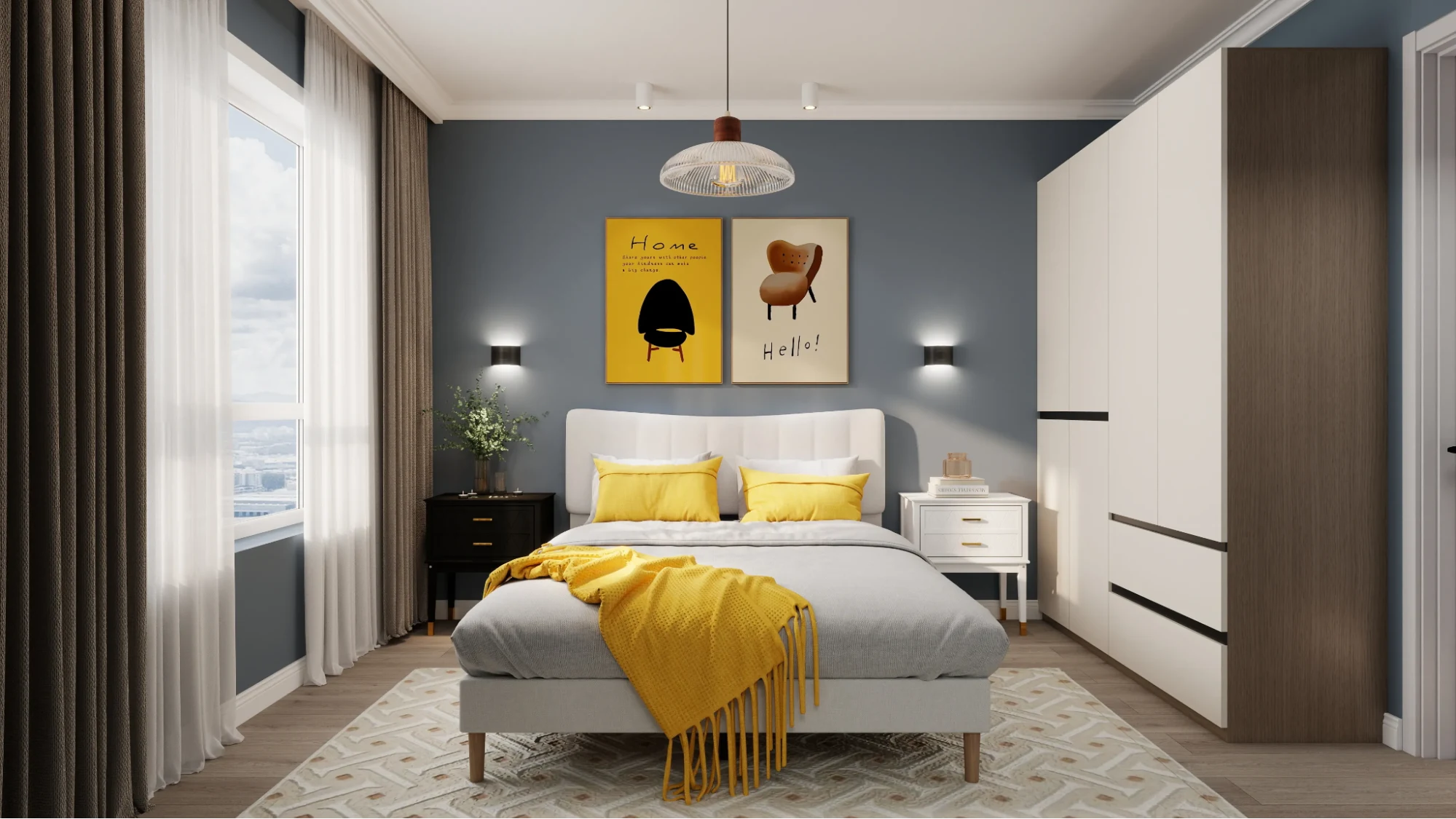
A bedroom painted in a "hazy blue-gray" tone creates a strong, atmospheric mood and a visually serene, tranquil environment. Pairing this with light-toned wood flooring and wood-finish wardrobes achieves a harmonious balance between cool and warm hues.
For the color scheme, light shades such as ivory white or oatmeal beige work well; the wall behind the bed can feature the hazy blue-gray, while the other walls are kept in lighter tones to offset any sense of heaviness associated with the darker color.
03 Oat Beige
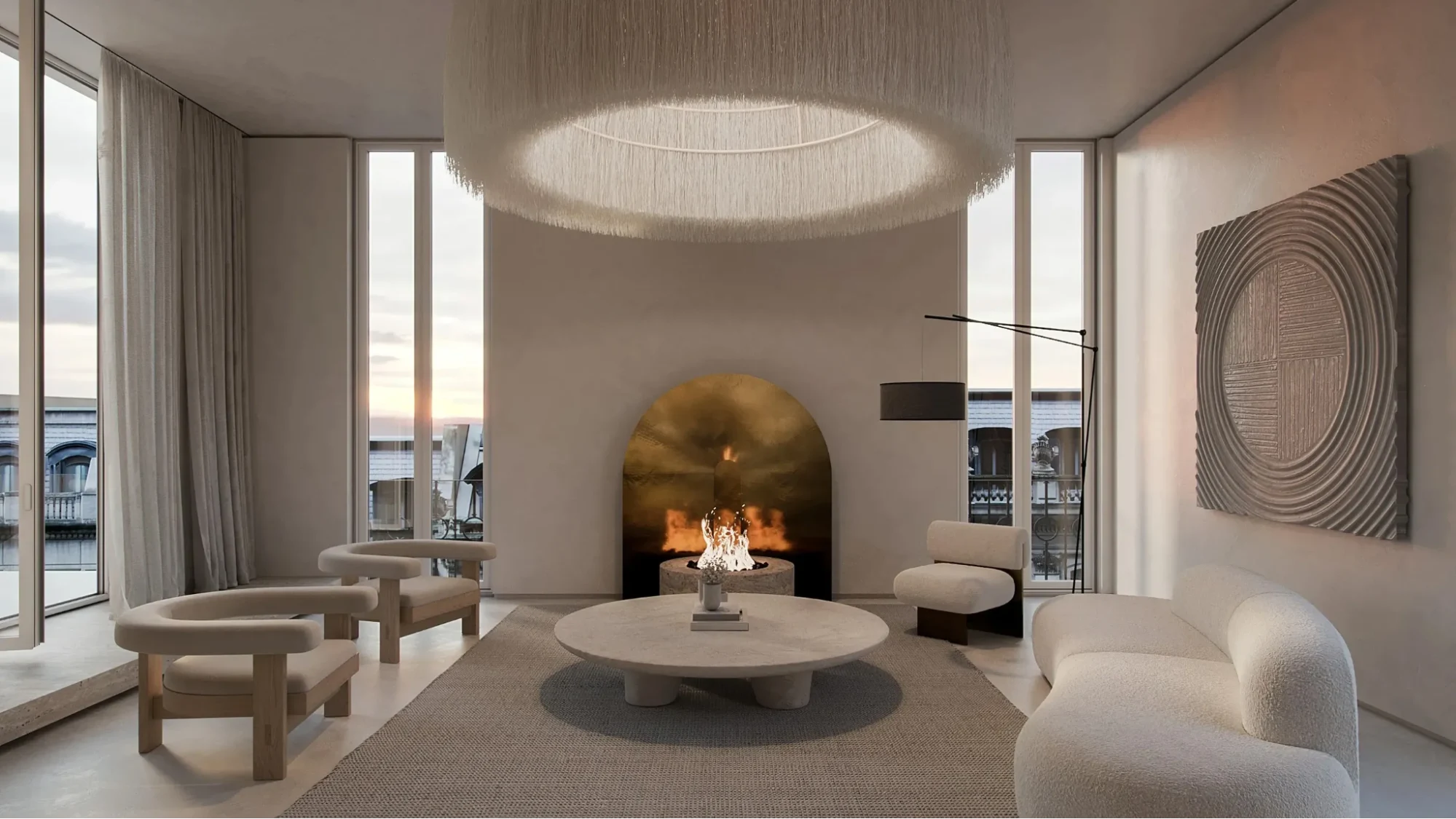
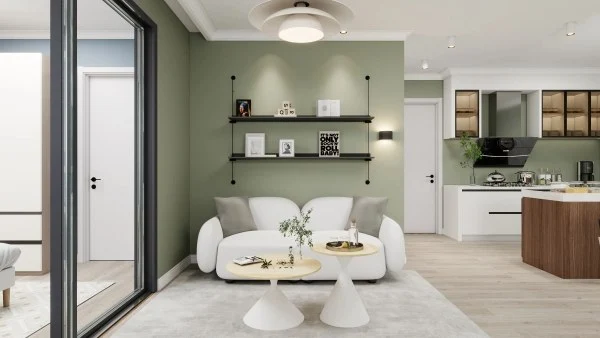
For the bedroom, an oatmeal-beige paint color is selected to complement the overall Wabi-sabi aesthetic. Minimalist furnishings—such as an off-white fabric sofa and a natural wood lounge chair—are paired with the wall color, creating atmosphere through contrasting textures, while a light gray rug provides a soft visual transition.
Regarding the wall finish, one can choose between smooth, flat latex paint or an artistic paint with a fine-sand texture; the interplay of texture and light helps cultivate the desired ambiance.
04 Olive Green
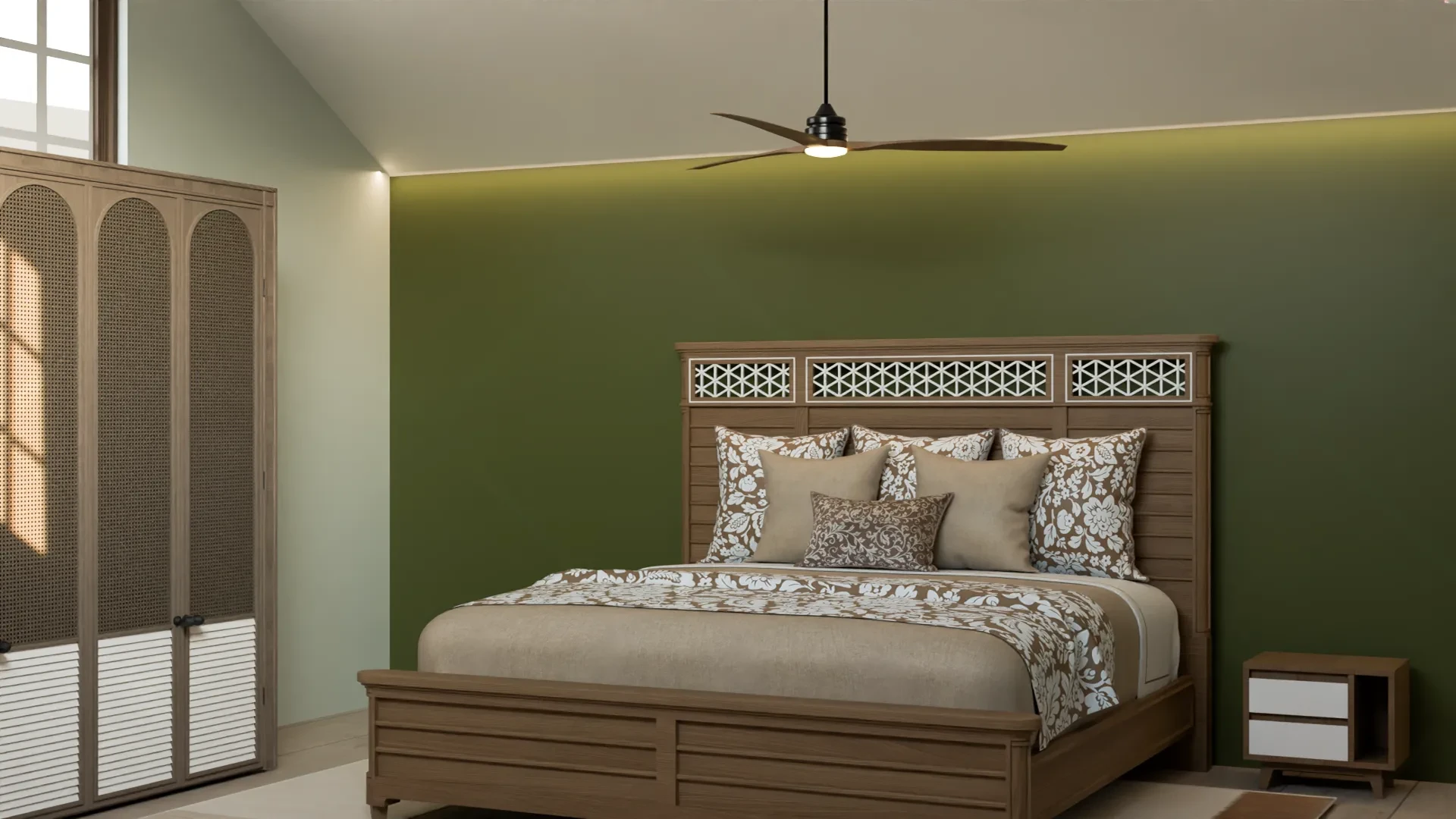
The vintage olive-green paint used in the bedroom features a cool, mid-tone depth; applied as an accent color behind the headboard, it pairs harmoniously with the pale mint-green of the other walls to create a balanced, monochromatic look. Solid wood furniture in a walnut finish and a wardrobe with woven rattan door panels help balance the cool tones of the green palette.
05 Light Blue
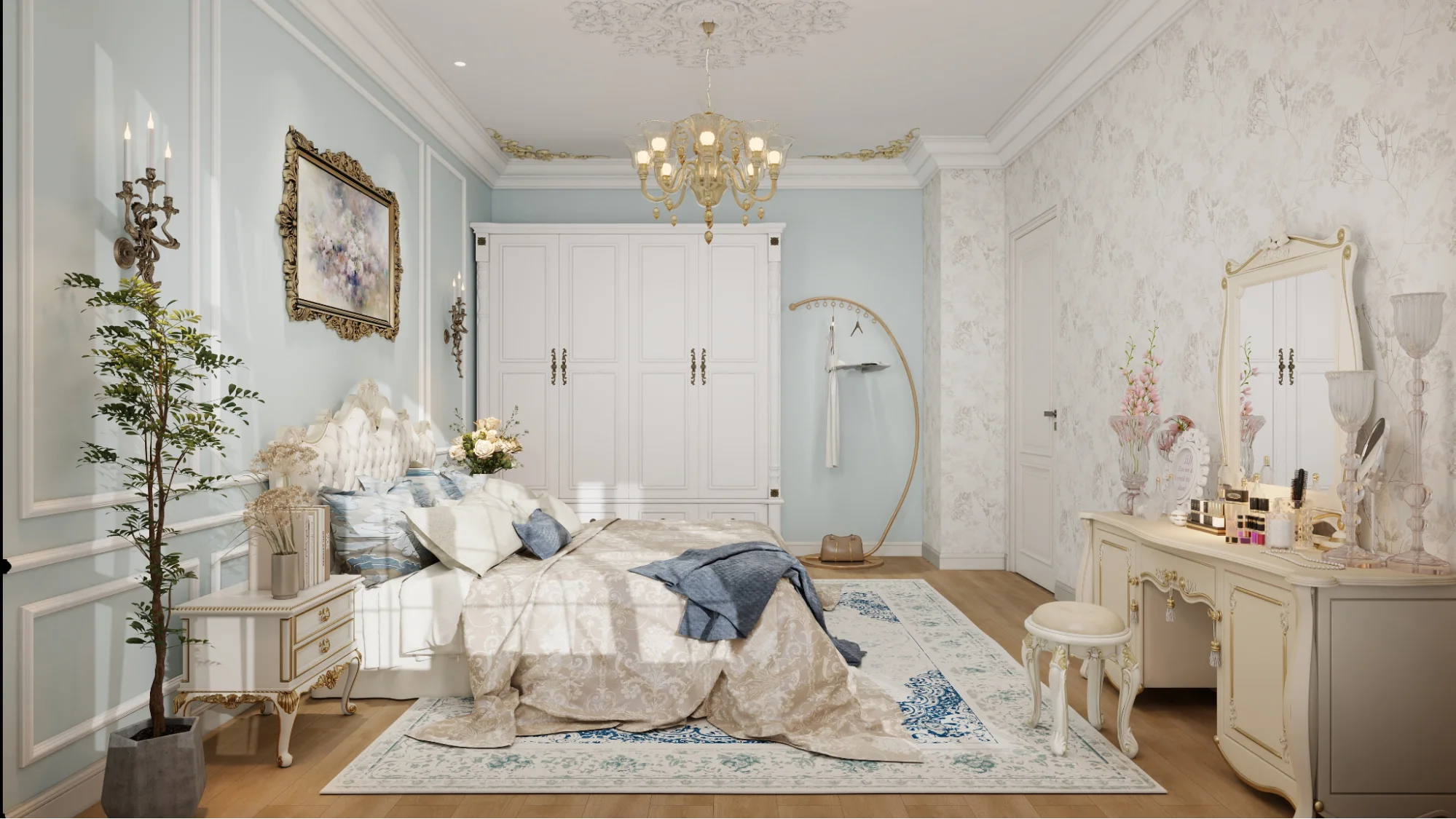
The bedroom features low-saturation, cool-toned pale ice-blue paint paired with white plaster wainscoting, creating a soft and fresh aesthetic. Complemented by an off-white European-style carved bed, wardrobe, and vanity, the white-and-gold color palette defines the room's overall sense of French sophistication.
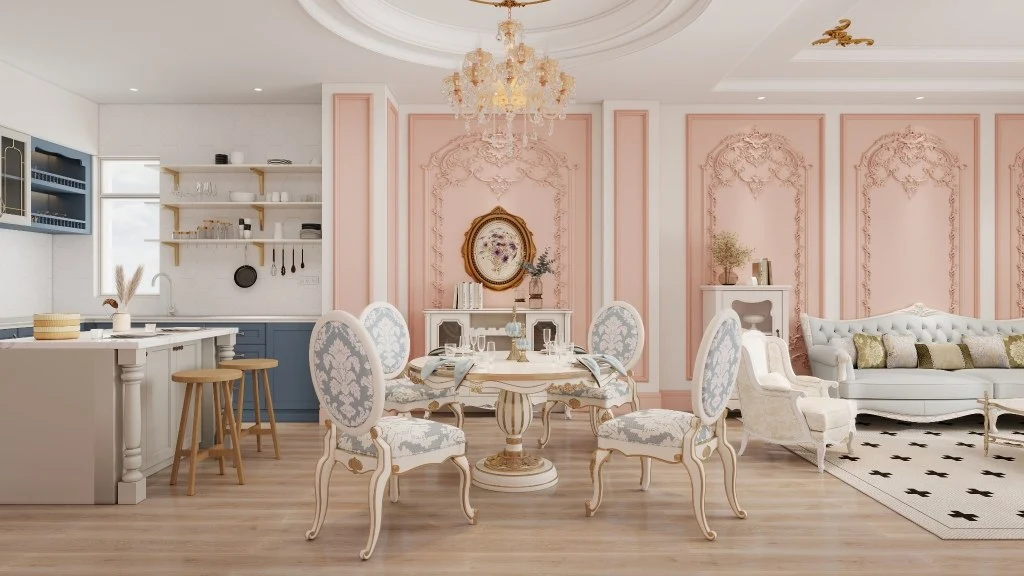
06 Taro Purple
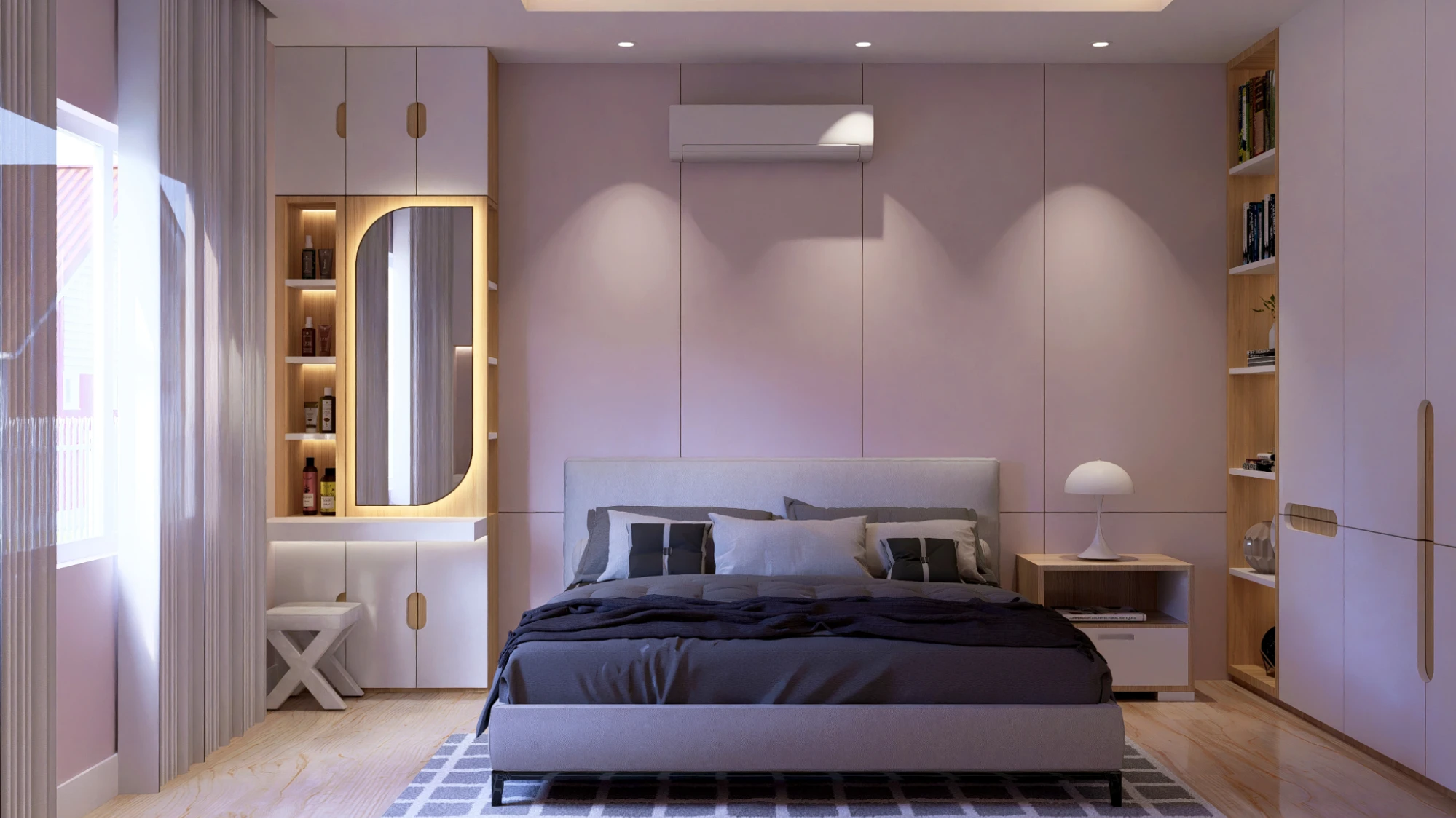
The bedroom features low-saturation purple paint with pink undertones, premium wood-veneer finishes, and a clean, minimalist paneled design. Paired with a light natural-wood wardrobe, the overall look is harmonious and soft, creating a romantic space for relaxation.
07 Warm Pink
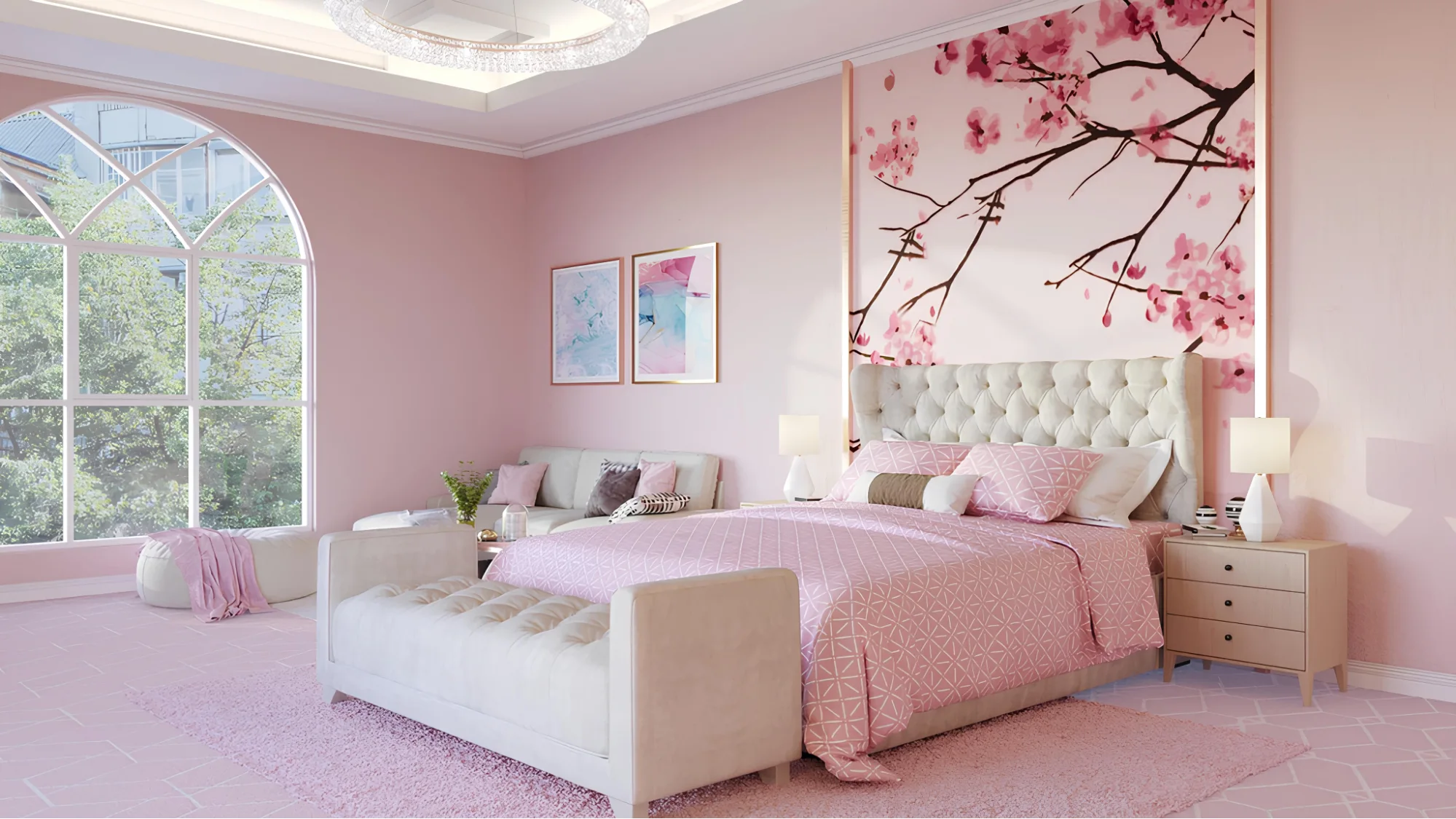
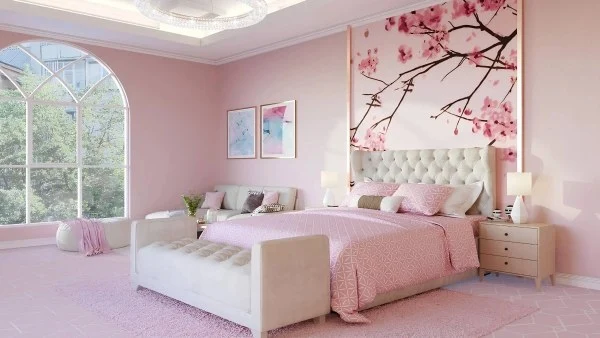
The bedroom features soft pink wall paint complemented by a mural of peach blossom branches, while the flooring consists of matte tiles in a matching hue, establishing a warm pink palette throughout the space. A massive arched floor-to-ceiling window ensures abundant natural light, eliminating the need for additional lighting considerations. White upholstered furniture further accentuates the romantic atmosphere.
08 Concrete Gray
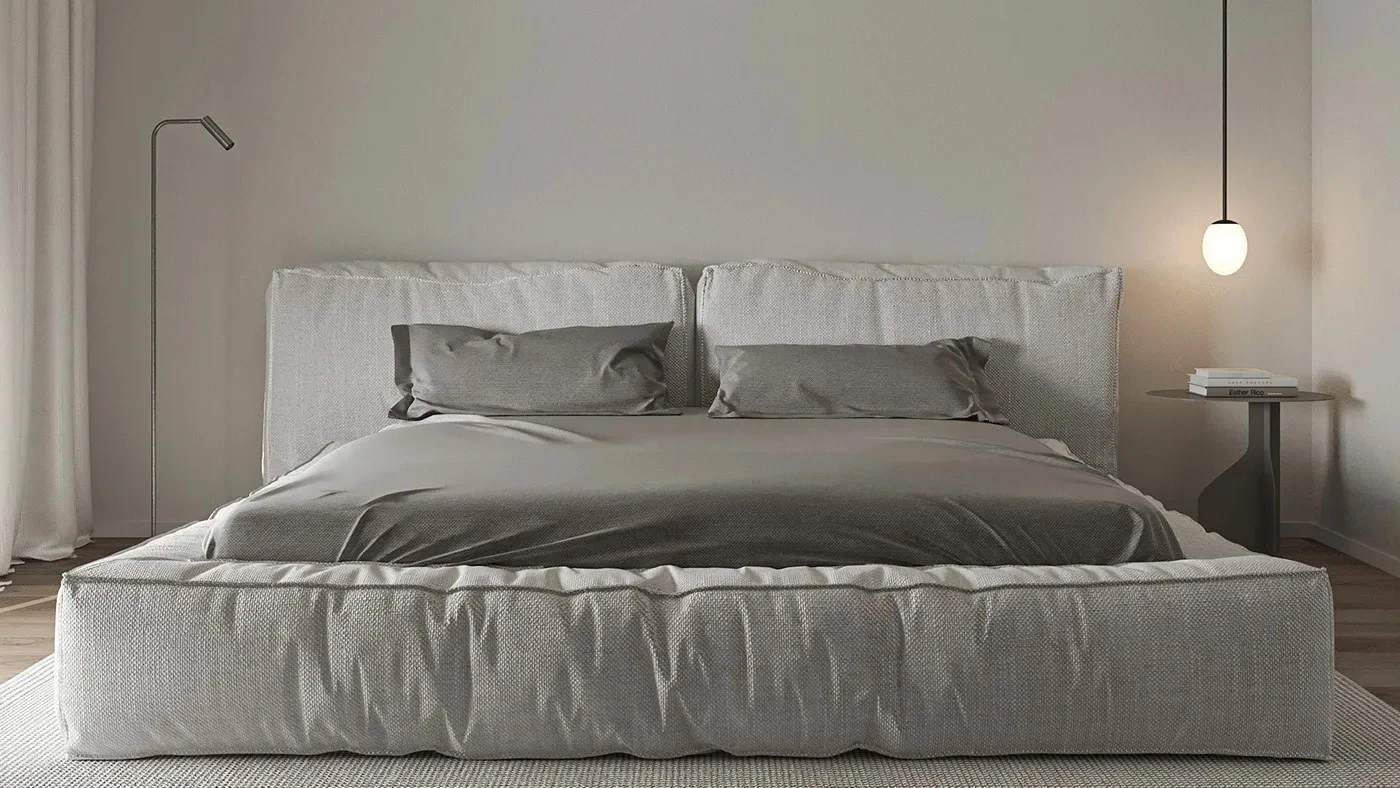
The bedroom features a light beige-gray wall color and micro-cement tones, paired with a light gray bed frame and dark gray bedding; this use of varying shades within the same color family maximizes the impact of the minimalist palette. Warm-toned floor lamps and pendant lights are used to soften the overall cool color scheme.
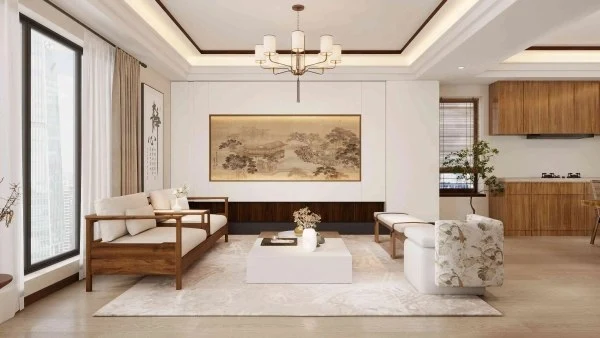
09 Light Greige
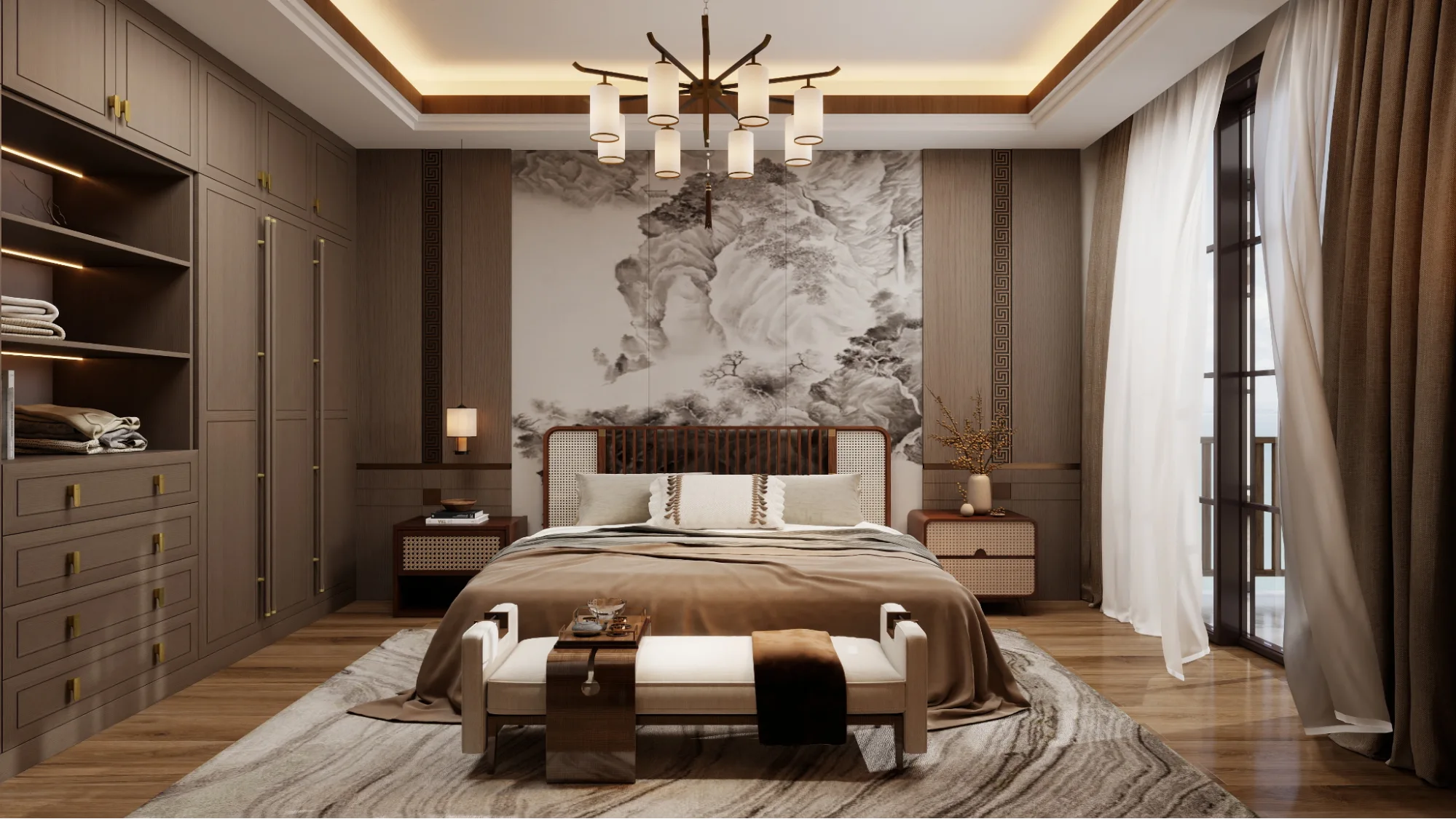
This bedroom features a "New Chinese" design, with a warm white ceiling paired with light taupe-grey walls that seamlessly connect to the wood paneling, creating a harmonious and inviting atmosphere. The predominantly muted, grey-toned palette softens the room's ambiance, making it an ideal space for rest.
10 Linen Gray
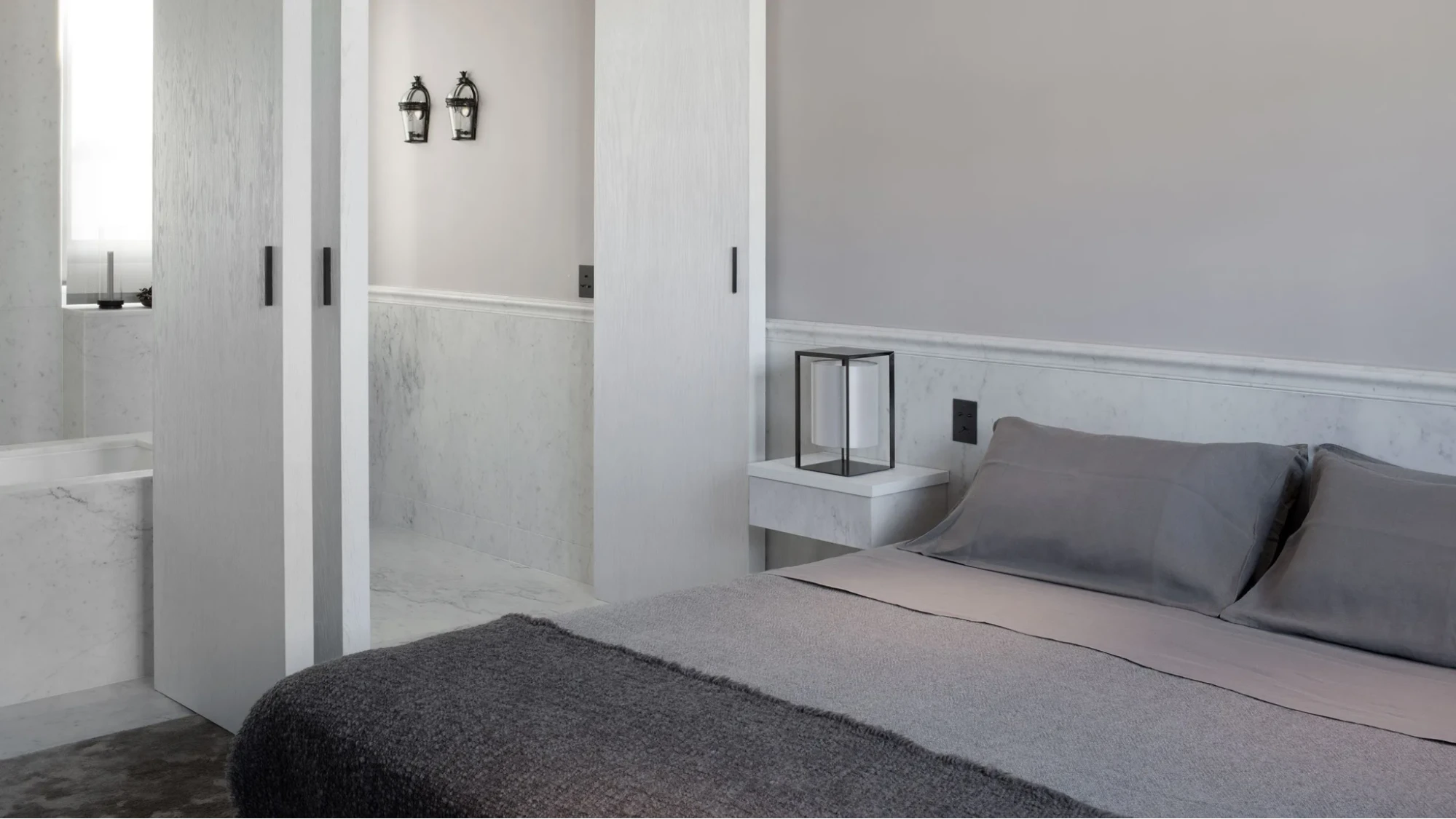
Compared to cool tones like cement gray, the linen-gray latex paint in this bedroom features subtle warm undertones, making it well-suited for minimalist modern and "Light French" design styles.
The lower section of the wall transitions into a faux-marble finish paired with white oak door panels; the overall color palette is dominated by white and gray hues, creating a clean and tidy look.
Summary
Selecting the right paint colors is a crucial aspect of bedroom design; the right hues harmonize with the overall aesthetic to create a comfortable atmosphere for rest.
Ranging from modern minimalist and New Chinese styles to French "light luxury," the ten color schemes and paint inspirations presented here balance visual harmony with functionality. They also offer guidance on whether to choose furniture in matching tones or to create balance through a mix of cool and warm shades—ensuring there is an option to suit your personal taste.
Bedroom paint colors FAQ
Q1 Why does the actual wall color differ from the color swatch?
Variations in natural indoor light can alter color perception, and the texture of the wall surface also affects how the paint color appears. It is advisable to test the paint on a small area first to avoid significant color discrepancies.
Q2 How can I avoid a chaotic look when using multiple colors in the bedroom?
Bedroom color schemes typically involve the walls, furniture, curtains, and bedding; an overly complex mix can create visual clutter. You can use the 60-30-10 color rule: make the wall color the dominant tone (60%), then complement it with natural wood furniture (30%) and green plants (10%) to create a harmonious space.
Q3 What can I do if a uniform paint color makes the bedroom feel monotonous?
While using a single paint color throughout the room can result in a lack of visual depth or a monotonous feel, it also offers immense design freedom. For instance, a standard off-white emulsion paint provides a versatile backdrop that opens up endless possibilities for the design of curtains, bedding, rugs, and decorative accents.