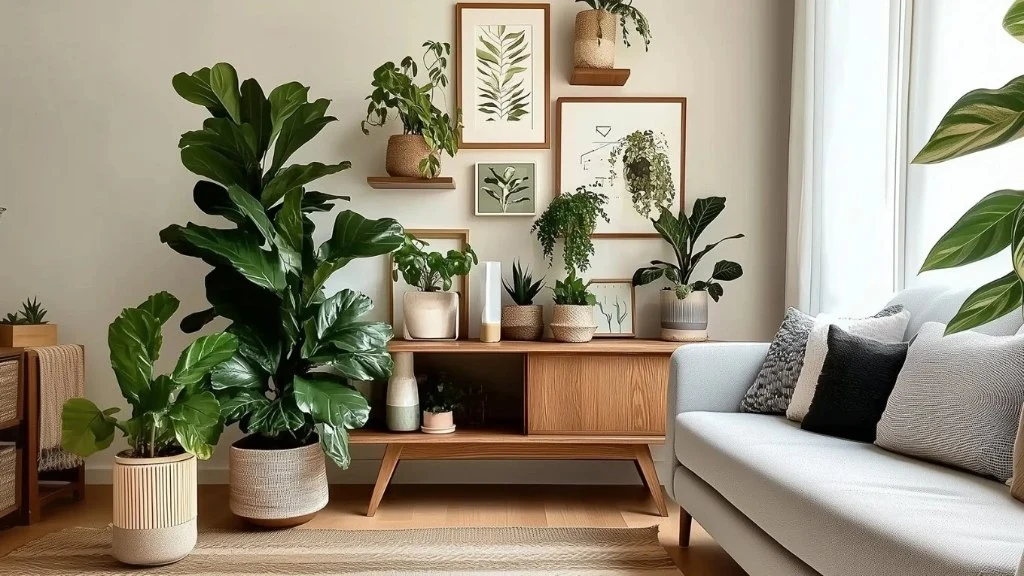
In the color scheme of a living room, the color of the sofa plays the role of setting the overall tone. It is not only the visual focal point of the living room but also influences the entire space's stylistic direction and the mood of those who live there.
So, how exactly should you choose your sofa color? Today, starting from the underlying logic of home color coordination and drawing on years of interior design experience, we recommend seven sofa colors that are almost universally "foolproof and risk-free", along with practical styling tips.
1. Gray – The Ultimate Chameleon
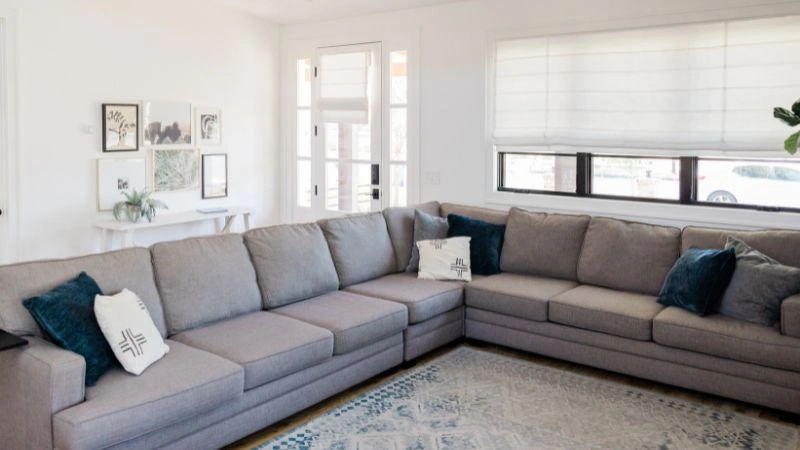
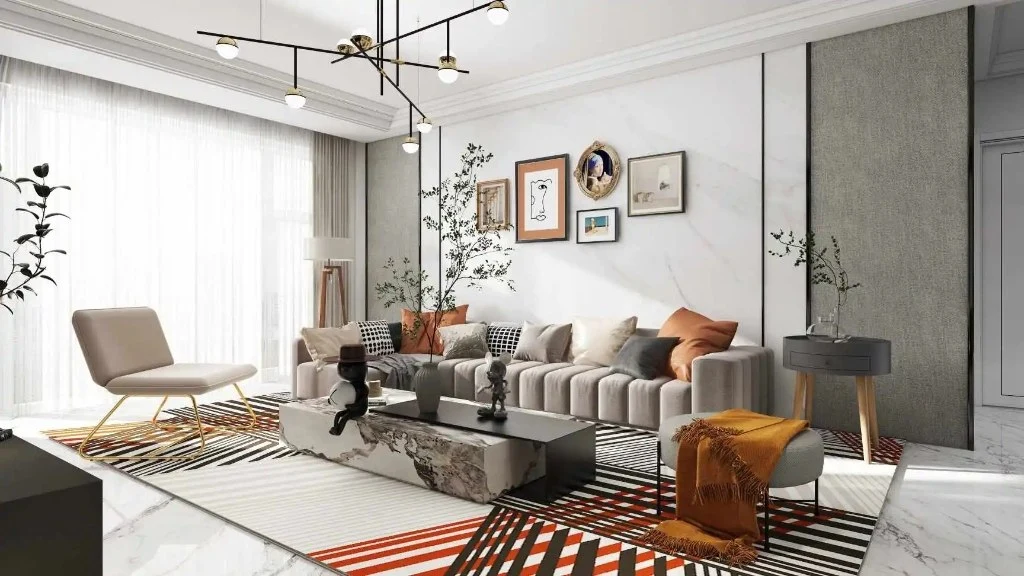
Gray sofas appear in more than 50% of professionally designed homes — and for good reason. As a true neutral, gray adapts to nearly any style, from industrial lofts to coastal cottages. Its true superpower, however, lies in its chameleon-like ability to shift character with minimal effort.
- Expert tip: A light gray sofa paired with pastel pillows and a jute rug feels airy and Scandinavian. The same sofa with deep navy cushions, a brass floor lamp, and a leather pouf transforms into a sophisticated, modern classic setup. Dark charcoal gray, in particular, hides everyday wear remarkably well — a practical advantage for families with children or pets.
- Trustworthy advice: Choose a gray with subtle undertones (warm greige for rooms with northern light, cool slate for sun-drenched spaces) to ensure harmony with your walls and flooring.
2. Blue – Calm, Confident, and Incredibly Adaptable
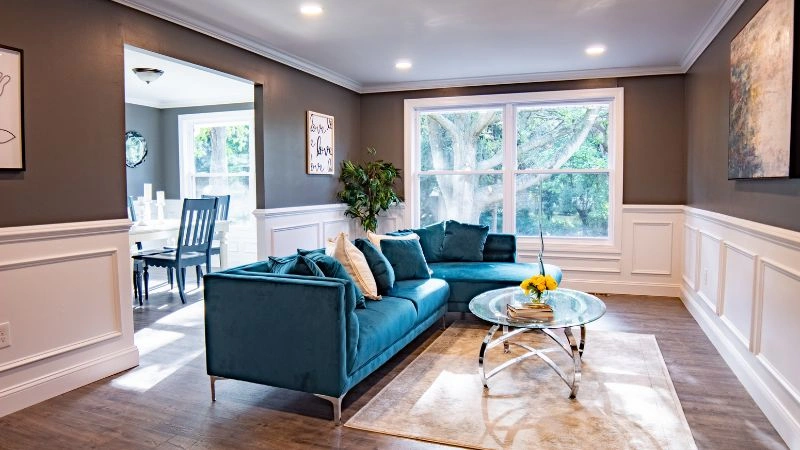
Blue is scientifically proven to lower heart rate and evoke feelings of tranquility — which makes it a psychologically smart choice for living rooms, where we unwind after long days. It’s also one of the most frequently specified colors by interior designers, spanning American traditional, modern farmhouse, and Nordic minimalism alike.
A muted, low-saturation blue — think dusty denim or French blue — works beautifully against a soft gray or warm white backdrop. For a bolder statement, navy or cobalt blue sofas add dramatic depth and pair exquisitely with brass, walnut, and creamy neutrals.
- Real-world experience: Many homeowners worry that blue will feel cold. In practice, pairing a blue sofa with natural textures (woven wood blinds, a wool throw, a leather ottoman) instantly injects warmth and balance.
3. Brown Leather – Timeless Elegance That Improves With Age
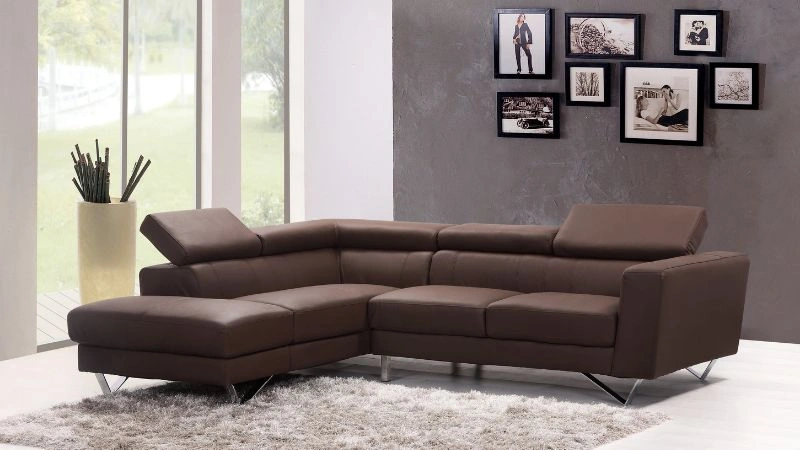
Brown leather sofas are the enduring classics of furniture design. From mid-century modern to rustic LOFT, from minimalist Japanese to traditional English study, brown leather adapts without effort. Unlike fabric, leather develops a patina over time — small creases and burnished highlights that tell the story of daily life, making the piece more beautiful year after year.
- Expertise note: The shade of brown dramatically changes the mood. Honey or caramel brown feels casual, warm, and inviting — perfect for family-centric spaces. Espresso or chocolate brown exudes formality and richness, ideal for rooms with leather-bound books, oriental rugs, or crystal lamps. Chestnut brown strikes a versatile middle ground.
- Authoritative guidance: Genuine top-grain or full-grain leather sofas are an investment in longevity. Expect to pay more upfront, but a quality leather sofa can easily last 15–20 years with basic conditioning — far outliving most fabric sofas.
4. Beige – The Underestimated Power of Warm Neutrals
White and off-white are perennial favorites for kitchen cabinets and trim, but many homeowners shy away from light sofas due to concerns about stains. This is unfortunate, because beige and cream sofas offer a warmth, elegance, and airiness that darker neutrals simply cannot replicate.
A well-chosen beige sofa — with yellow, pink, or gray undertones depending on the room’s lighting — acts as a luminous anchor. It makes small living rooms feel more spacious, and it pairs effortlessly with every color in the rainbow. A cream sofa with emerald green pillows, a navy throw, and a terracotta vase looks intentionally curated, not chaotic.
- Trustworthiness tip: Performance fabrics (solution-dyed acrylic, Crypton, or indoor/outdoor weaves) now make light-colored sofas perfectly practical. Many are bleach-cleanable and resist spills, stains, and fading. Always request swatches and test them with common household items (coffee, red wine, baby wipes) before committing.
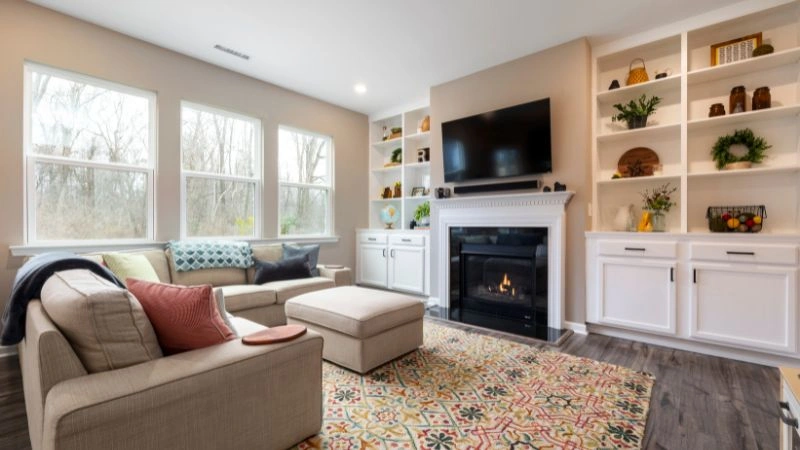
5. Green – Nature’s Neutral (New for 2026 and Beyond)
Over the past three years, green has emerged as the design world’s favorite “new neutral.” From sage and olive to emerald and forest, green sofas bring the restorative energy of nature indoors. Green is also remarkably versatile: it sits between warm and cool on the color wheel, meaning it harmonizes with both wood tones and grays, both pastels and jewel tones.
Expert recommendation: A sage green sofa looks stunning with light oak floors, cream walls, and terracotta accessories (a perfect earthy palette). An olive green sofa pairs beautifully with black metal, leather, and tan accents — ideal for an industrial or rugged modern look. For maximalists, an emerald green velvet sofa against deep blue walls creates a luxurious, moody retreat.
Experience-based advice: Green sofas hide everyday dirt better than beige or light gray, yet feel far more interesting than standard charcoal. Many of our design clients who switched from gray to green reported feeling unexpectedly happier in their living rooms — a testament to biophilic design principles.
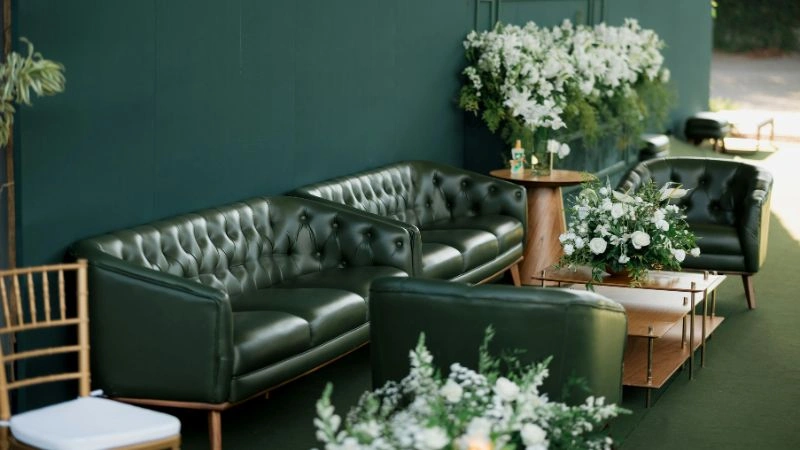
6. Mustard Yellow / Ochre – A Bold Yet Livable Accent Anchor
Mustard yellow, ochre, and curry tones might seem intimidating, but they function surprisingly well as primary sofa colors — provided the rest of the room is kept relatively calm. These warm, golden hues from the 1970s revival work best in spaces with abundant natural light and neutral walls (white, beige, gray, or even very pale blue).
Trustworthy pairing guide: Pair a mustard sofa with:
-
Navy blue accessories (pillows, art, or an area rug) for a classic complementary scheme.
-
Deep greens and browns for a earthy, bohemian vibe.
-
Charcoal gray and black for an edgy, modern look.
Authoritative note: Mustard yellow sofas are not for everyone, but for homeowners who crave personality without committing to full maximalism, they offer a perfect middle ground. Start with a mustard loveseat or a sofa with removable, washable covers if you’re hesitant — you can always swap the cover later.
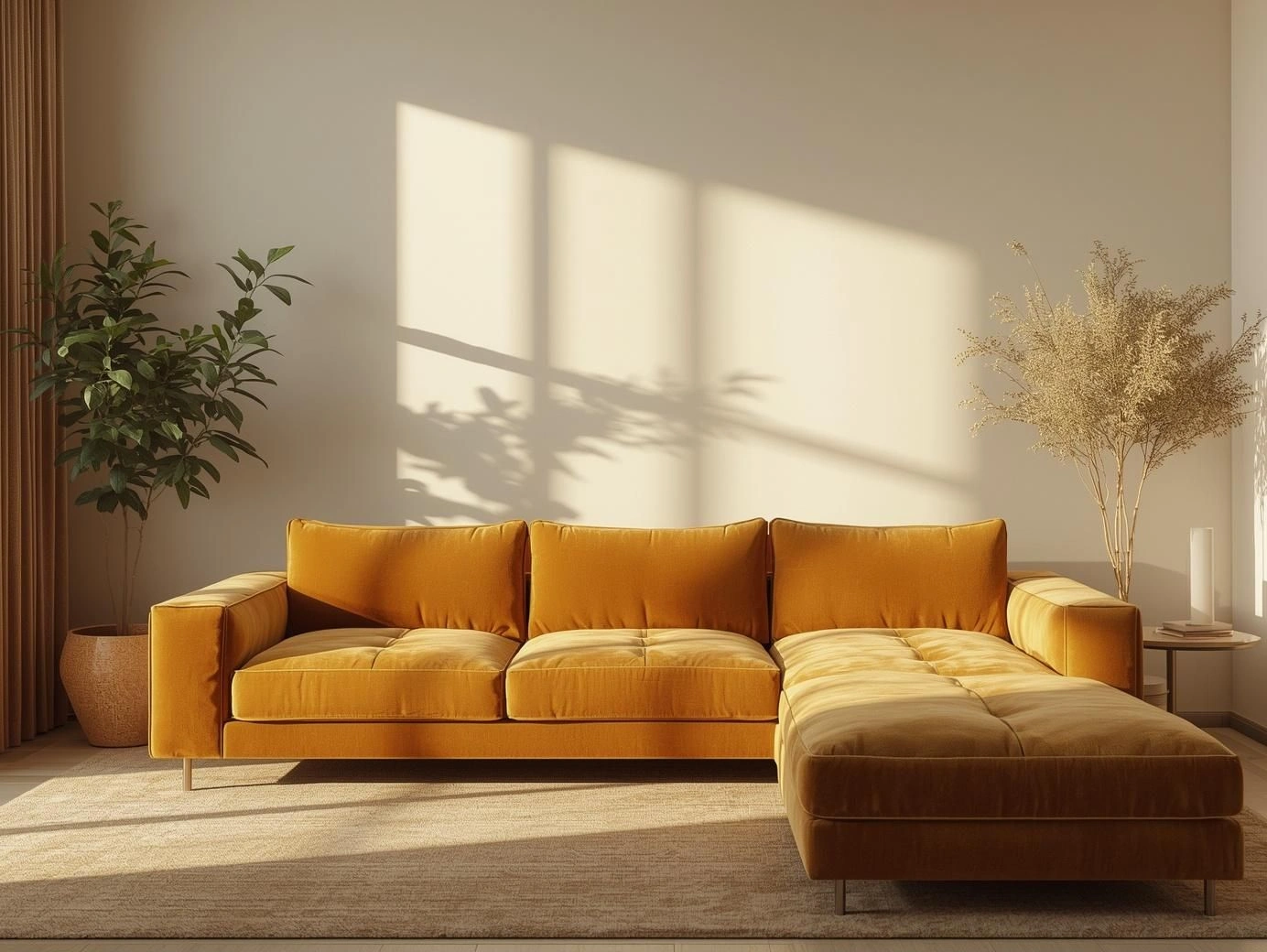
7. Terracotta / Rust – Warmth, History, and Unexpected Versatility
Terracotta and rust shades — inspired by fired clay, desert landscapes, and Mediterranean villas — have migrated from accent pillows to full-sofa territory. These earthy red-orange-brown hybrids feel simultaneously ancient and fresh. They work beautifully in Southwestern, Spanish Colonial, modern organic, and even industrial styles.
Expert insight: Rust sofas perform exceptionally well in rooms with leather, wood, stone, and linen because their warm undertones echo natural materials. Against a cool backdrop (slate gray walls, concrete floors), a rust sofa becomes a stunning focal point without screaming for attention.
Practical experience: One concern with rust sofas is color clash with existing warm woods. In practice, a rust sofa pairs beautifully with walnut and cherry, but can fight with orange-toned oak or honey maple. The solution? Sample the sofa fabric next to your flooring and trim before purchase. Often, a simple rug or throw in a bridging color (cream, ochre, or olive) solves any disharmony.
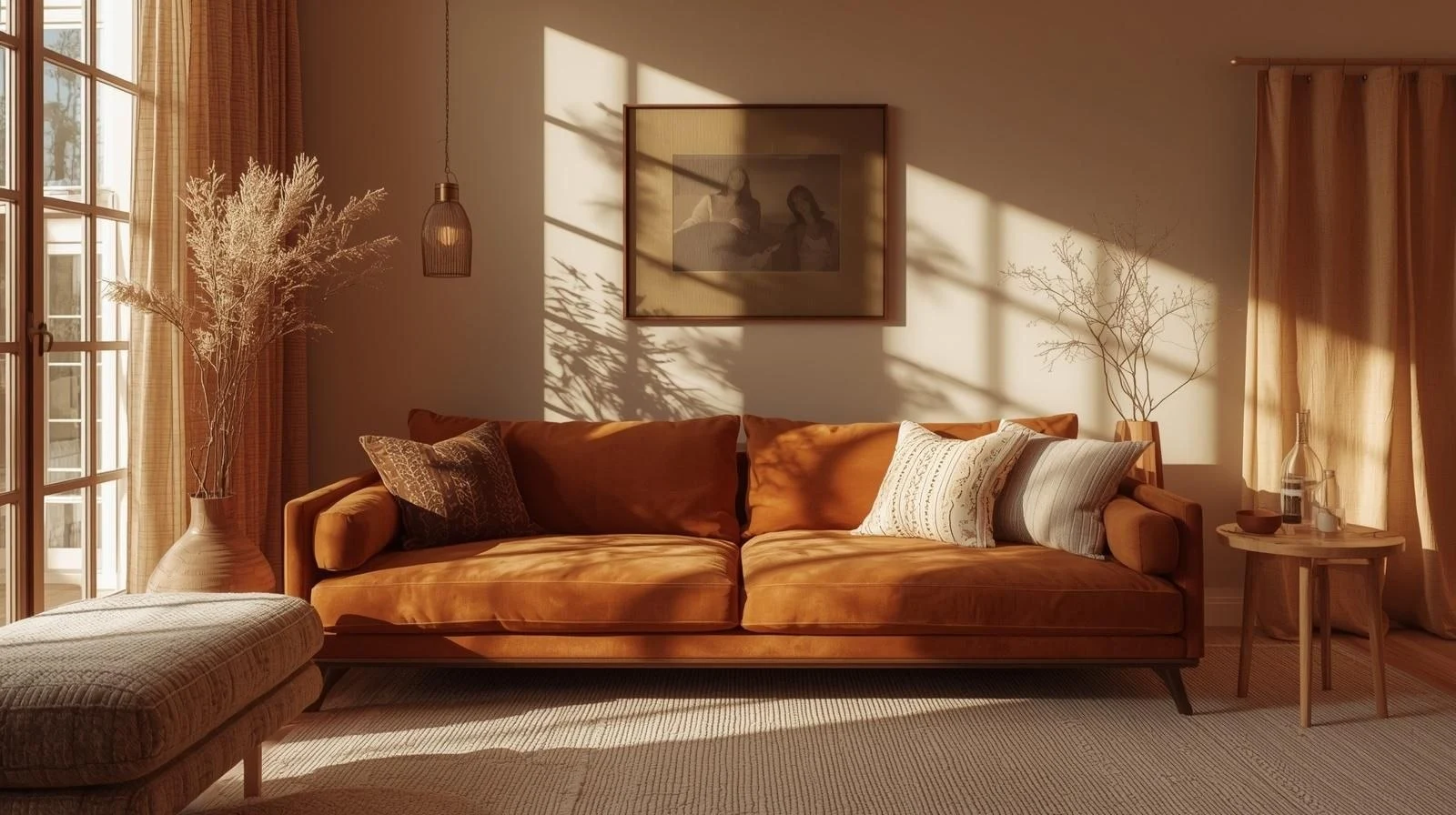
How to Choose Your Sofa Color: 3 Professional Frameworks
Many people feel paralyzed when selecting a home color palette. After analyzing hundreds of successful living rooms, we’ve identified three reliable starting points that interior designers use every day. Apply these same frameworks to your sofa decision.
1. Compensate for the Room’s Deficiencies
Start by looking honestly at your room’s proportions and light. A small, dark room benefits from a light-colored sofa (cream, light gray, sage) to reflect available light and create an airy feel. Conversely, a very large, cavernous living room may welcome a darker sofa (charcoal, espresso brown, forest green) to visually anchor the space and reduce echoes.
Expert rule of thumb: In a room with low ceilings, choose a sofa color close to the floor color (or lighter) to draw the eye horizontally. In a room with overwhelming sunlight and heat, a cool-toned sofa (blue, green, gray) can visually lower the temperature.
2. Work With Fixed Elements You Cannot Change
Examine the elements already locked in: wall paint, large area rugs, fireplace materials, kitchen cabinets that open into the living area, or inherited furniture pieces. Their colors are non-negotiable starting points. Your new sofa must harmonize with them.
Trustworthy process: Collect samples of your floor, wall color, and any large fixed elements. Hold sofa fabric swatches against these samples in morning, midday, and evening light. The right sofa color will look intentional next to your existing pieces, not like it’s fighting them.
3. Choose Based on the Emotional Atmosphere You Want
Beyond technical considerations, color has profound psychological effects. Think about how you want to feel in your living room:
-
Calm and restful → Soft blues, sage greens, warm grays.
-
Energetic and social → Mustard yellow, terracotta, medium blue.
-
Sophisticated and intimate → Charcoal, espresso brown, emerald green.
-
Open and airy → Cream, beige, light gray.
This third framework is often the most satisfying because it aligns your home with your inner life. A sofa chosen from emotional resonance will give you a sense of belonging every time you walk through the door.
Conclusion
Choosing a sofa color doesn’t have to be a gamble. By limiting your options to these seven proven shades — Gray, Blue, Brown, Beige, Green, Mustard Yellow, and Terracotta — you’re working with hues that have stood the test of time and thousands of real-world installations.
Remember: the most versatile sofa is not necessarily the most neutral; it’s the one that works with your light, your fixed elements, and your emotional needs. Order fabric samples, live with them for a week, and trust your eyes over trends.
When in doubt, start with a medium-toned gray or a muted blue — they are the safest bets for resale value and long-term enjoyment. But if a mustard or rust sofa makes your heart beat faster, embrace it. After all, the leading actor in your living room should make you smile every single day.



_1783913778320.png)